Conservation Conversations: June 2026 on the Holkham National Nature Reserve
July 13, 2026 | Nature news | 3 minute read
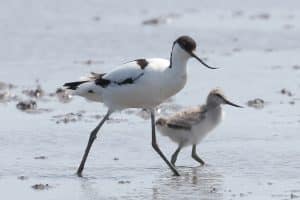
June was another exceptionally warm month, with temperatures reaching the mid-30s on 26th. Little rainfall was noted meaning it was a real struggle to maintain water on the grazing marshes. Consequently, our breeding wading birds like Redshank, Avocets and Lapwings struggled and on top of this we experienced widespread predation from a range of species. The nesting Little Terns on Holkham beach rose to an incredible 80 pairs, the most we have had here in a single colony but sadly as they started to hatch the Red Kites moved in and took most of the chicks. With Ringed Plovers hatching well, we at least hope some of each species will survive into July.
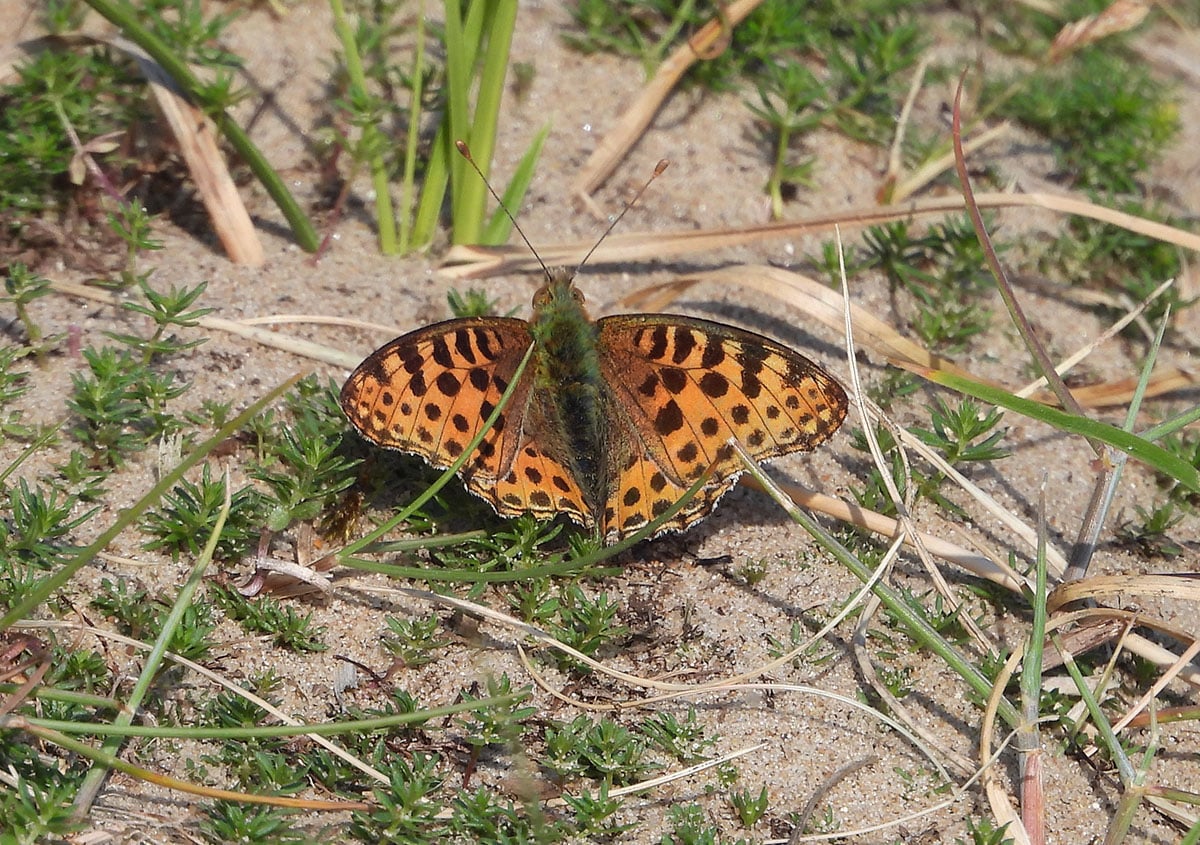
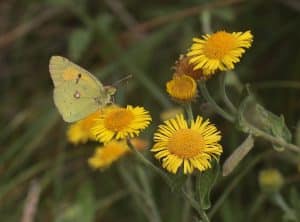
Queen of Spain at Holkham c. Chris Lamsdell
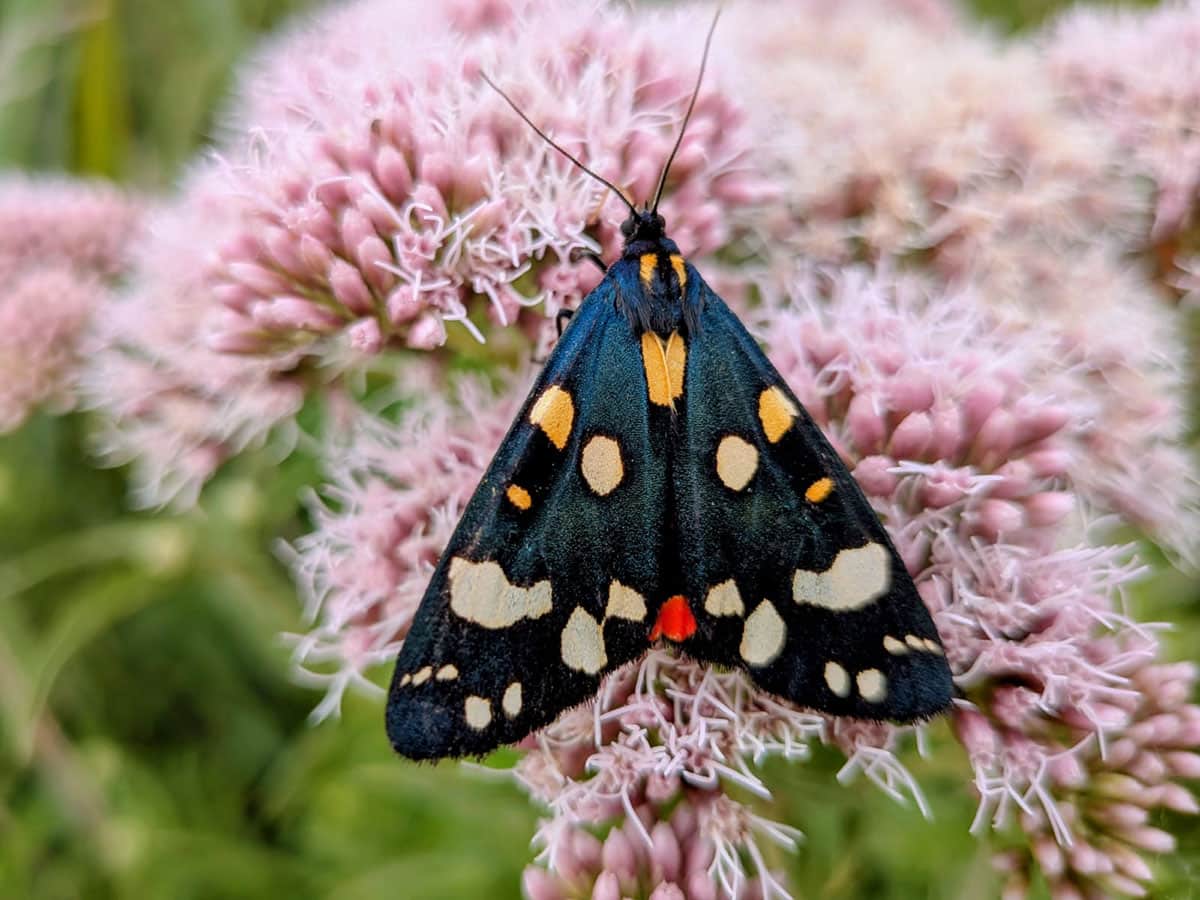
One of the month’s highlights was the number of butterflies seen on the wing, with many migrants also arriving in from the sea. One of the most exciting finds was a single Queen of Spain Fritillary, a continental migrant that had never been seen here before. At the same time there were hundreds of Southern Migrants Hawker dragonflies appearing. Whether these were migrants or locally bred individuals we could not say for sure. For a species that was new at Holkham a few years back, it was amazing to see such numbers. Another new insect, and a brightly coloured one, was the Scarlet Tiger moth. It is another species on the increase further up into East Anglia from the south, so when one was seen by a warden while strimming some pathways it made another day to remember.
scarlet tiger at Holkham c. Paul Eele
Our Natterjack Toads seem to be having a bumper season, with many toadlets emerging from the fast-disappearing water in the pools and ditches. With everywhere so dry this was a huge surprise.
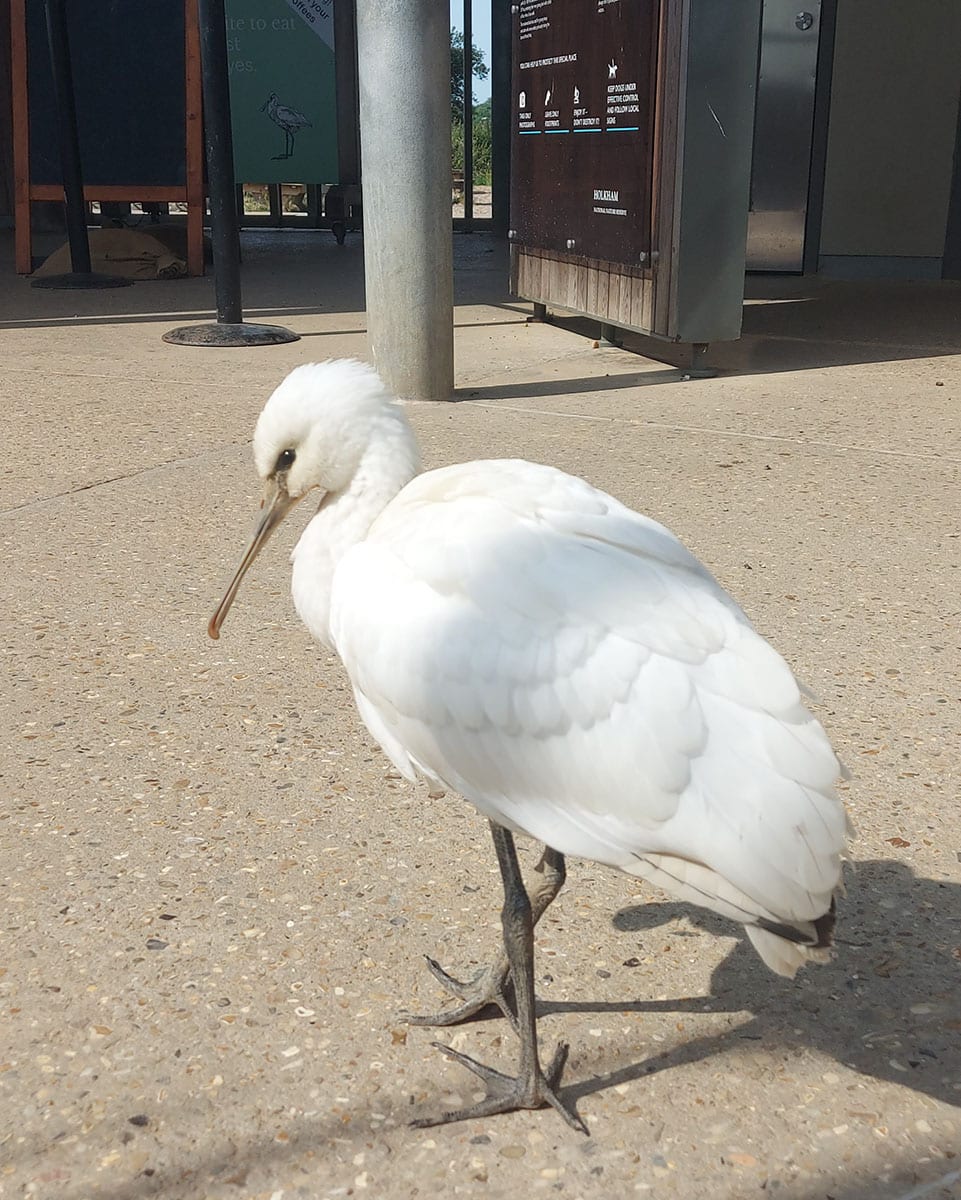
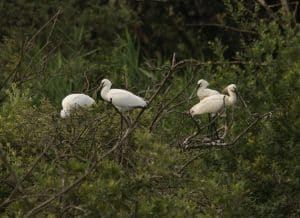
Spoonbill juvenile at The Lookout c. Andy Bloomfield
On the marsh, our summering Glossy Ibis remained, Quails were heard all over the Estate, and Cattle, Little and Great White Egrets all started to fledge by the month’s end. The same could be said for the Spoonbills too. Sadly one very lost looking juvenile was found actually inside the open interior of the Lookout. How it arrived there we never knew, but it was quickly caught. Being painfully thin it was then taken for rehabilitation at nearby Pensthorpe. Sadly, despite feeding well initially it failed to survive overnight. Another example of the harsh realities of survival in the wild for much of our precious wildlife.
What to look out for in July
As July is upon us it will be a time to look for more butterflies and dragonflies and our rare Creeping Ladies Tresses growing in the pine woodland. And hopefully we will have at least some success from our beach nesting birds.
Back to Journal Back to Journal