Survey season is in full swing

May 14, 2026 | WONDER | 5 minute read

A WONDERful way of measuring natural capital at Holkham 

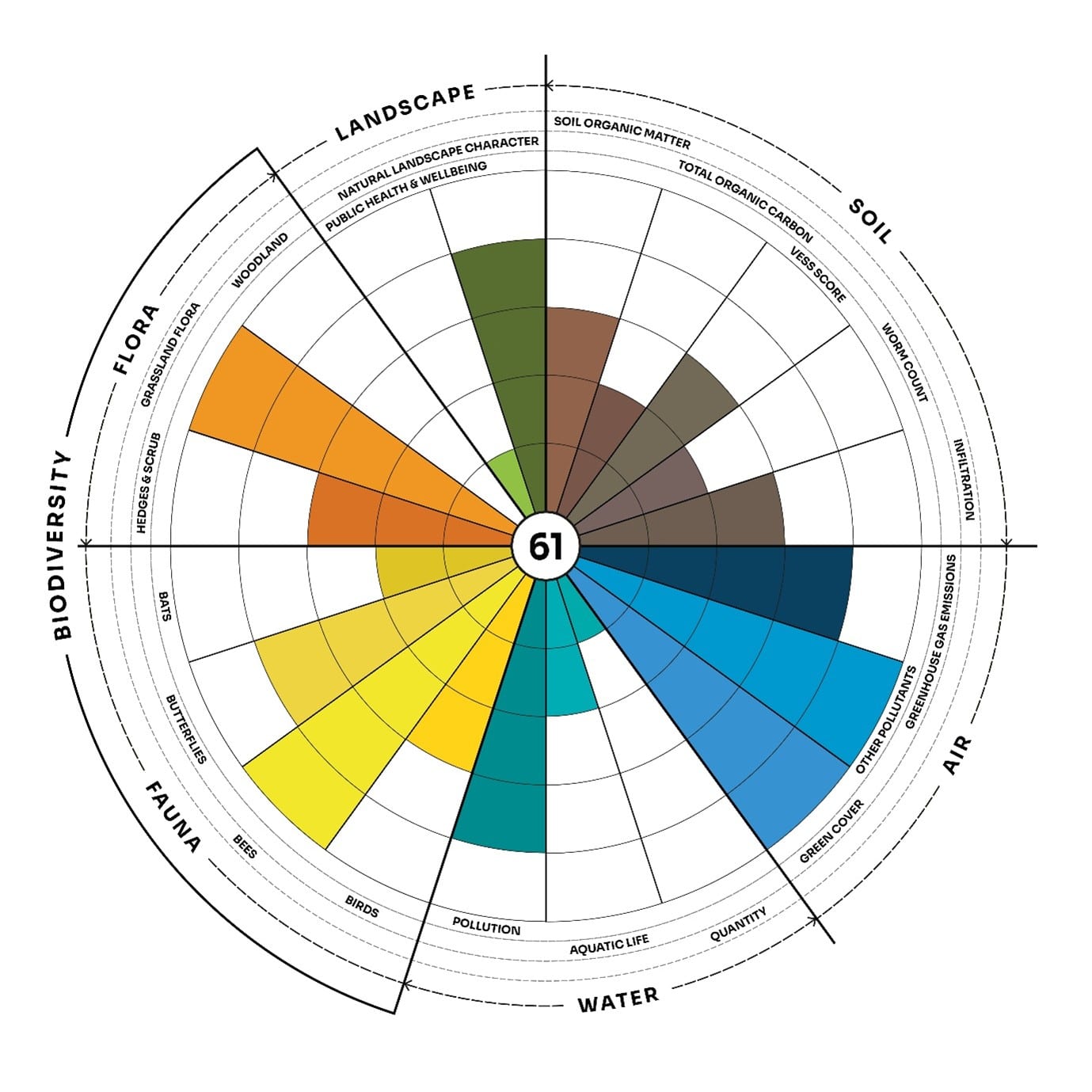
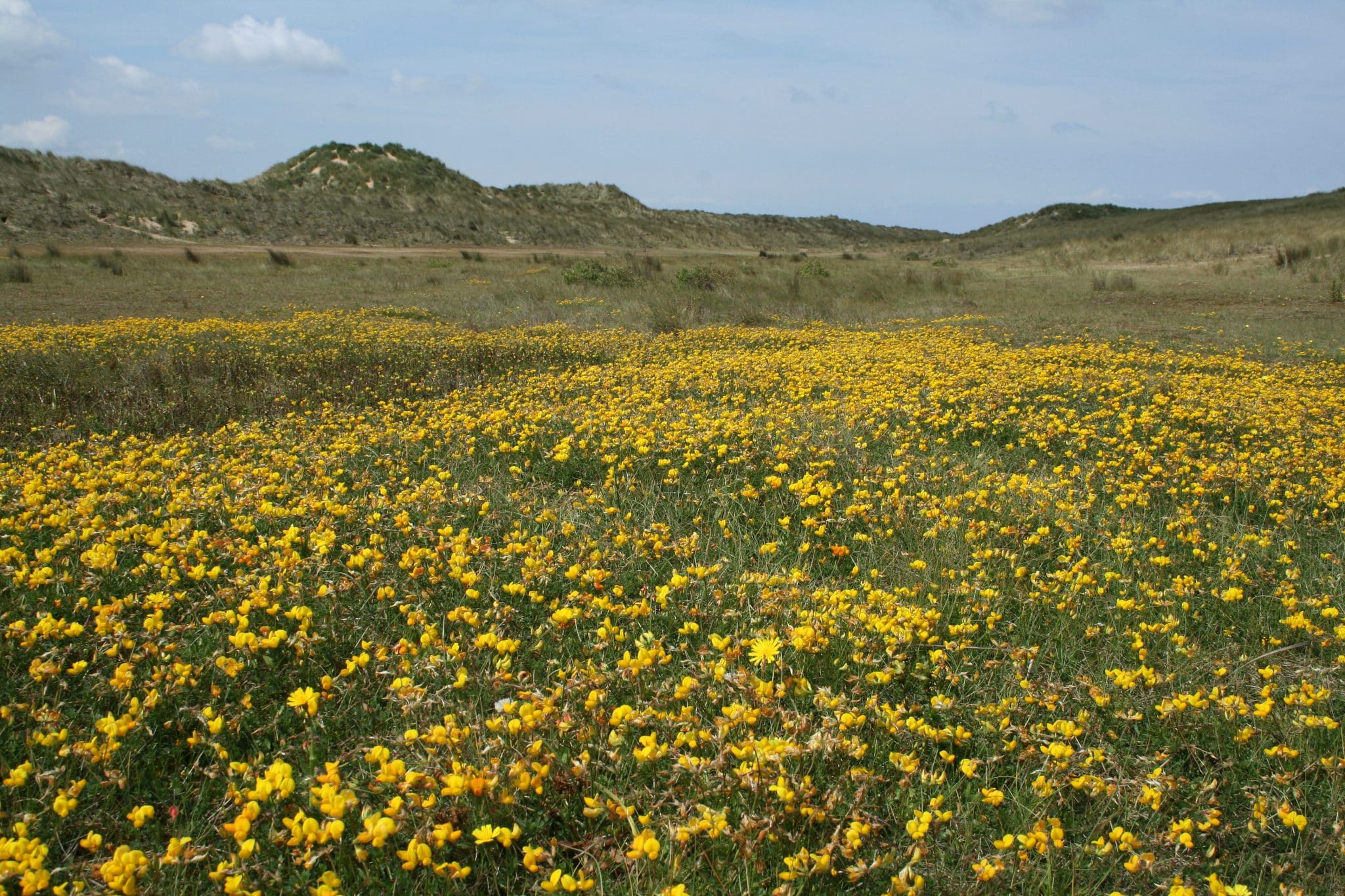
It’s survey season at Holkham, when our teams head out across the estate to measure the health of our natural environment. Using our natural capital metric – the WONER wheel,  we assess six core elements of natural capital to build an overall picture of how each site is performing.

The survey season begins in late February or early March, once soil temperatures rise above 5 degrees Celsius. We start by taking soil samples, which are sent to a laboratory to measure soil organic matter and soil organic carbon. A month later, we carry out further tests in-house, including the Visual Evaluation of Soil Structure (VESS) test, worm counts and infiltration testing, which measures how quickly water moves through the soil. Together, these five measures help us understand the soil’s physical, chemical and biological health.

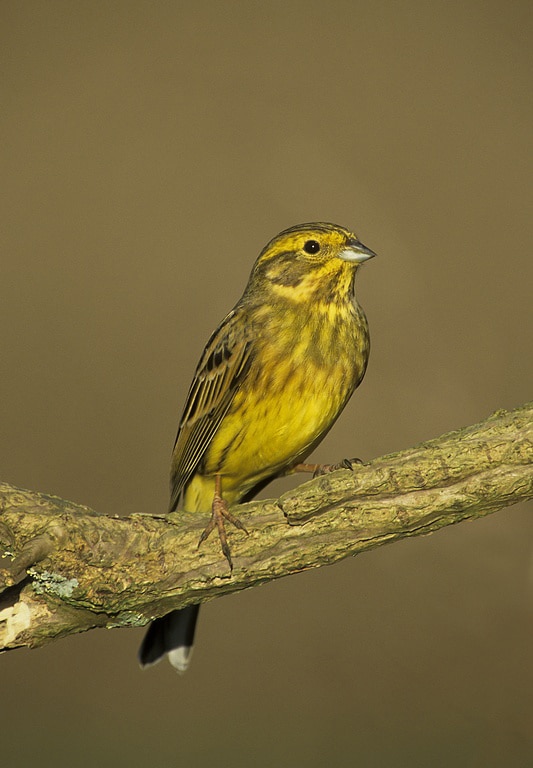
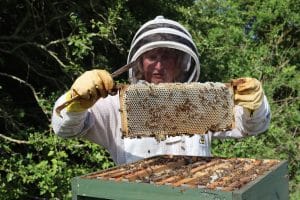
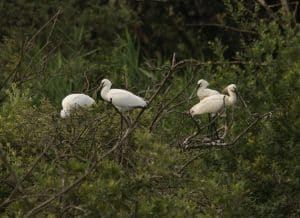
From May, we begin walking fauna transects, pre-planned routes across the landscape, to record wildlife. During these surveys, we monitor bird and butterfly species diversity, as well as bee abundance. Alongside field observations, we use the Merlin app to identify birds that may be heard but not seen, such as yellowhammers.

May is also the best time to survey ponds, before warmer weather increases the chance of them drying out. We map pond size using satellite imagery and test water samples for nitrates and phosphates to understand pollution levels. The presence (or absence) of aquatic life such as frogs, small fish and invertebrates also helps us assess water quality, as these species are valuable natural indicators of a healthy pond ecosystem.

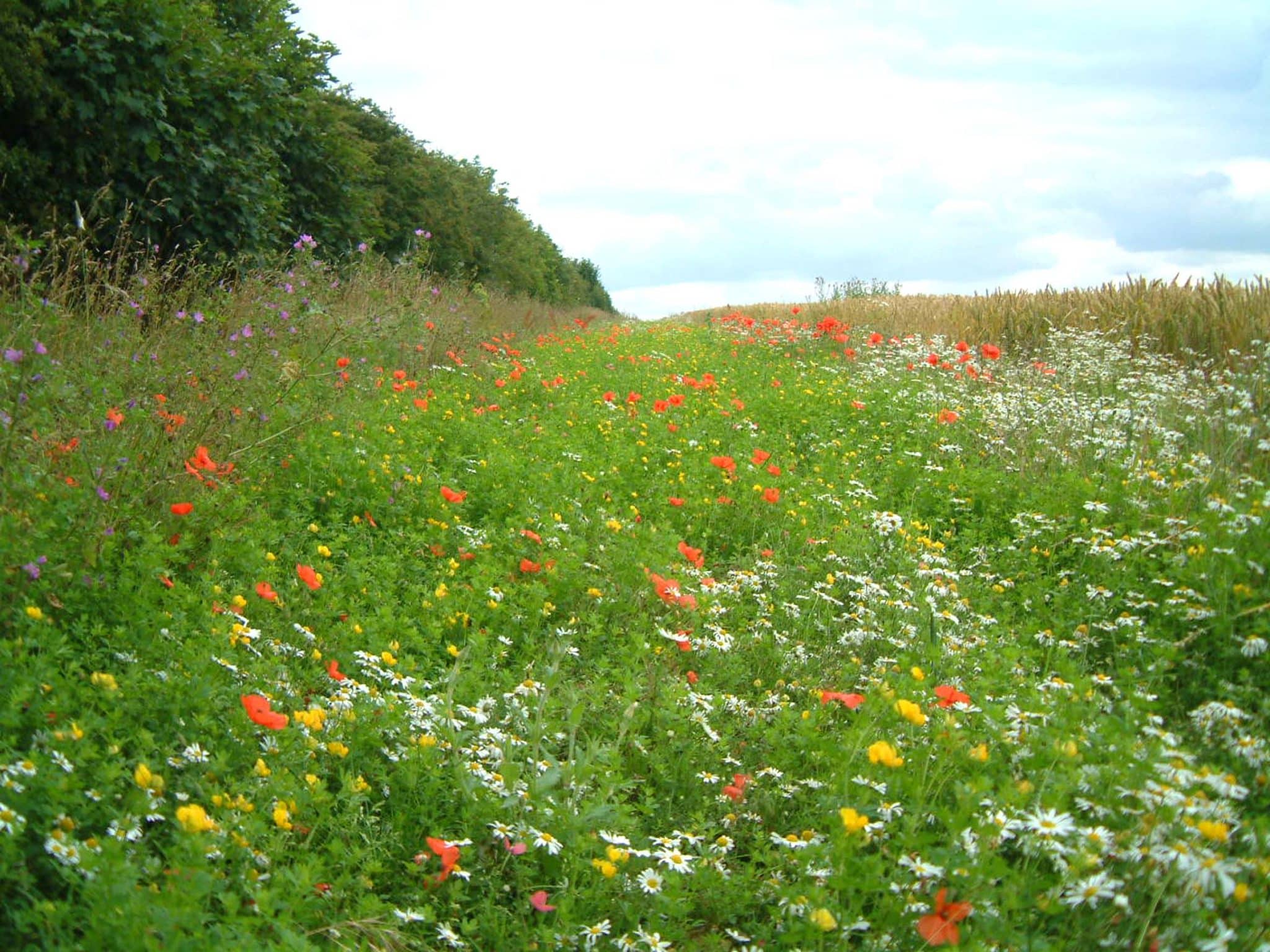
In June, plant surveys begin alongside the continuing fauna transects. We assess hedgerows and scrub using the Healthy Hedgerow Guide, which measures their condition and structure. Ground flora is surveyed using quadrats – small sample plots that allow us to record plant diversity in a consistent way. Woodland diversity is measured across larger sample areas to record the range of tree species present.


The ‘Air’ section of the WONDER wheel is completed as a desk-based assessment. We use the Defra Air Quality Index to measure pollution levels, satellite imagery to calculate green cover, and land use data to estimate greenhouse gas emissions. June is also when the landscape is visually at its best, making it an ideal time to assess natural character, public access and wellbeing benefits across the estate.

By July, the final fauna transects are completed.

The last survey of the season takes place in late August or early September, when we record bat species diversity using echolocation detectors. Once all surveys are complete, the results are brought together to produce an overall score out of 100 for each site – helping us track the health of Holkham’s landscapes over time and guide future conservation work.

Back to Journal Back to Journal

Related journals