Making a bee-line for a brighter future
June 1, 2026 | Holkham voices | 5 minute read
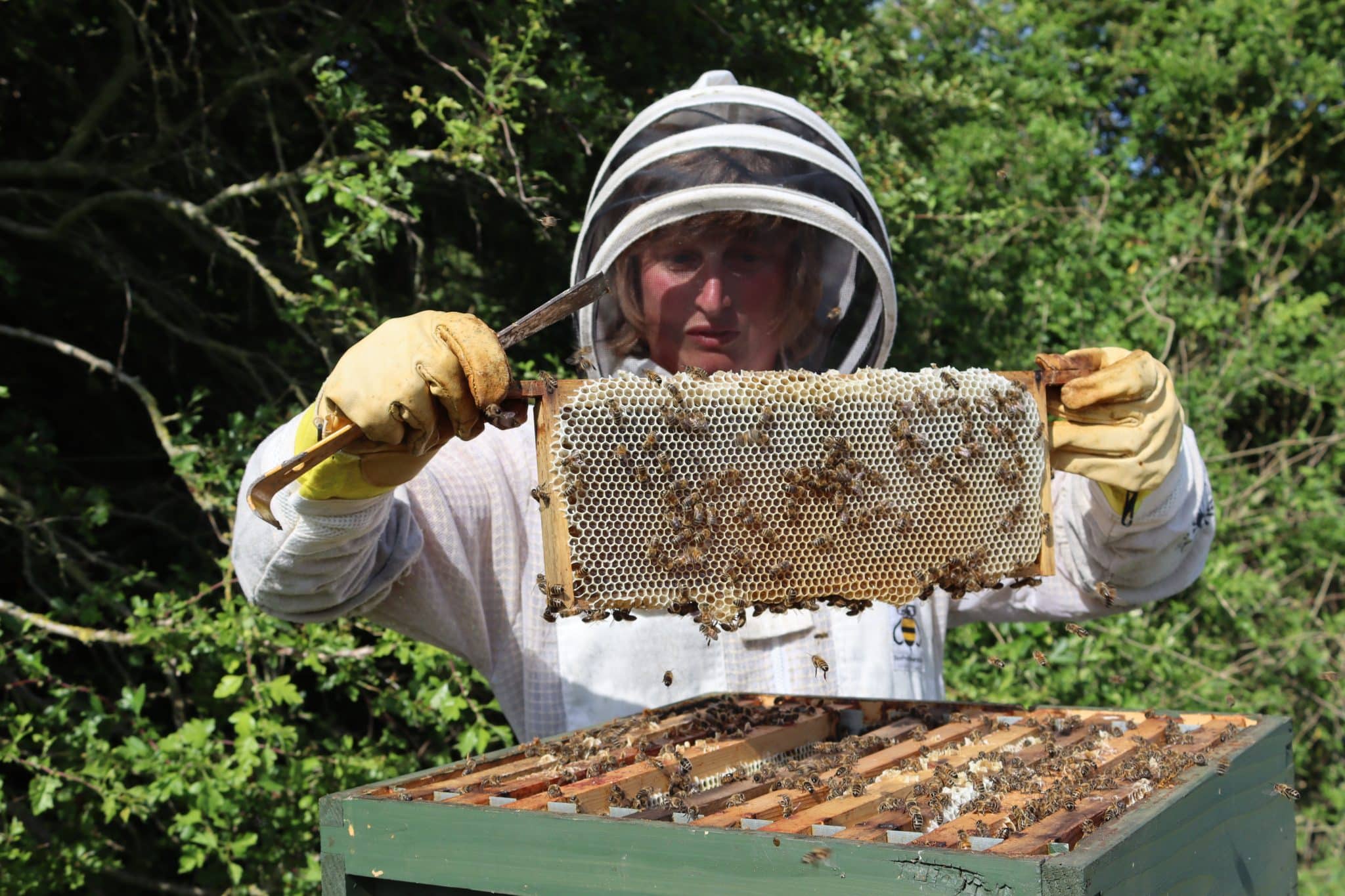
Bees are a key stone species pollinating a vast majority of the UK’s flowering plants, they support foundational habitats and intricate food web. We love bee’s here at Holkham and one of our team has taken it one step further. Cat, who is part of the Gamekeeping Team has been keeping bees on the estate for the last five years, we catch up with her and her 70,000 friends!
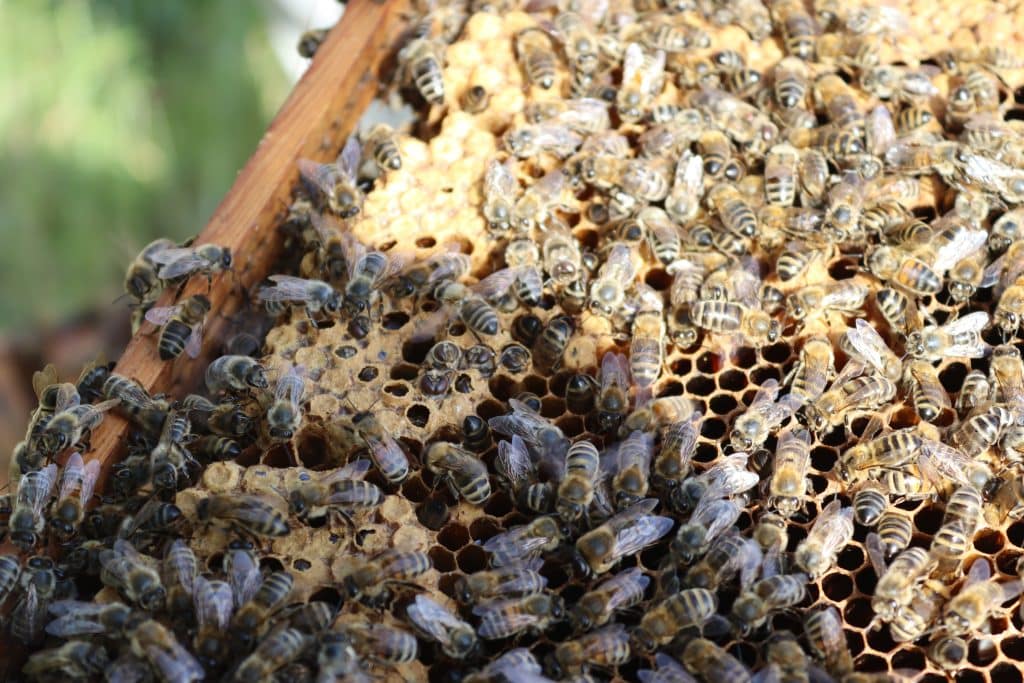
Cat was gifted her first hive from a friend at work and soon became hooked, today she cares for several hives across North Norfolk, including a number on the estate. Cat keeps F1 Buckfast Queens, a breed known for being calm and easy to manage. While Britain once had its own native honey bee, Apis mellifera mellifera; modern honey bees have been bred from European strains so it’s difficult to find a fully native variety. The Buckfast bee is particularly popular with beekeepers because of its gentler nature.
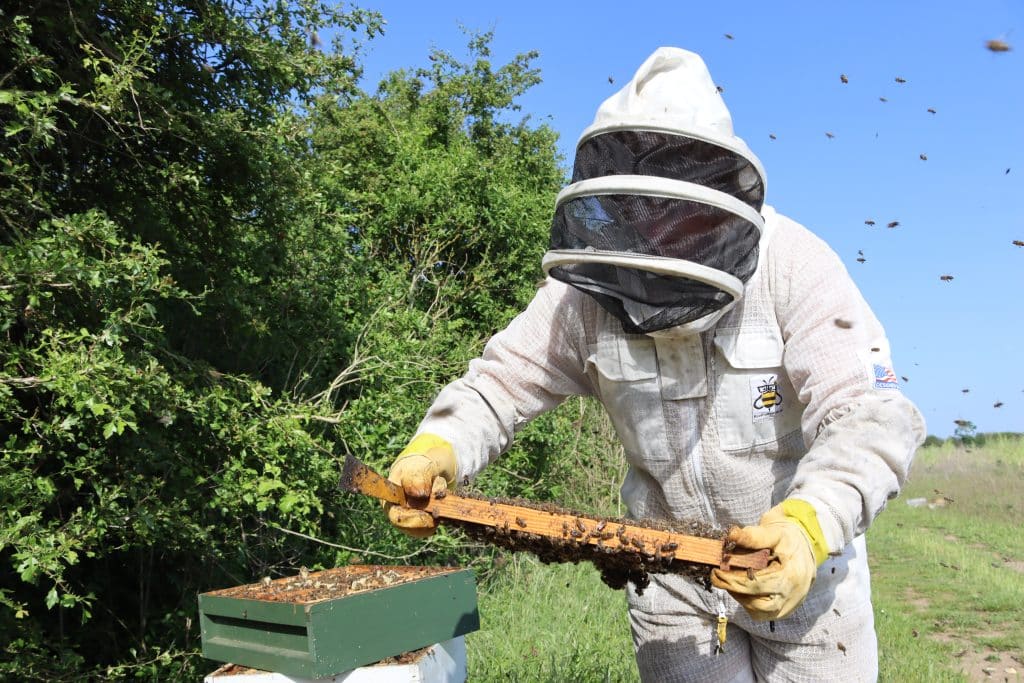
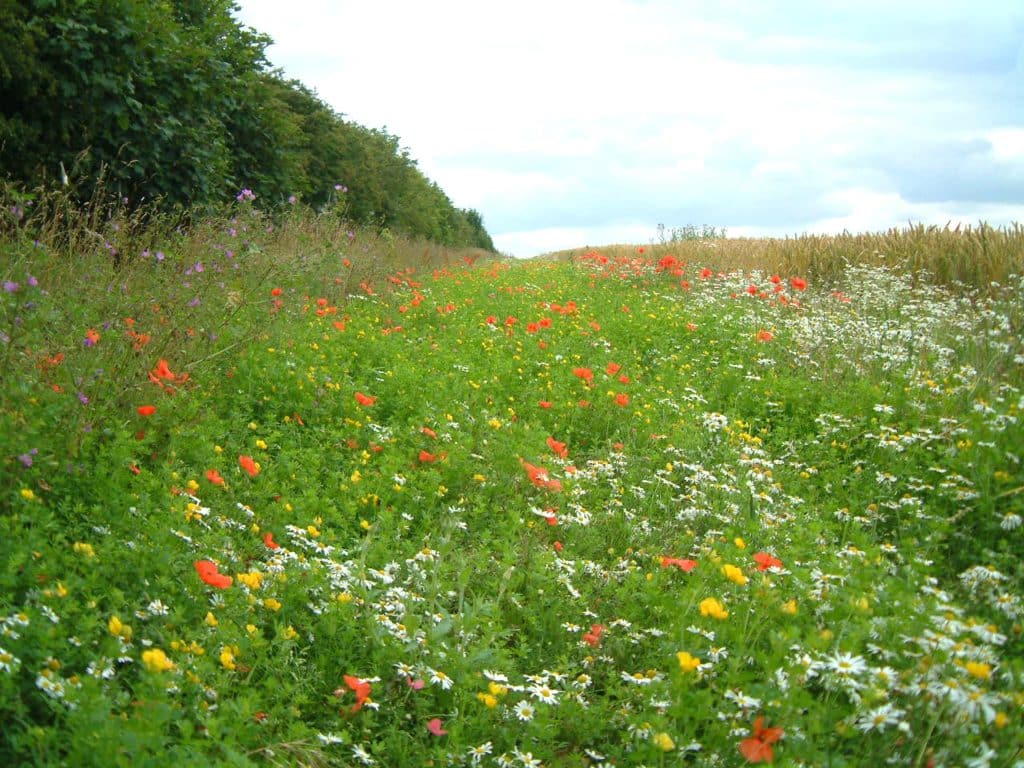
From mid April to August, the hives are at their busiest. During these warmer months, bees forage across the landscape, collecting nectar from flowering crops and wild plants including hawthorn hedges, phacelia, mustard, fodder radish, beans and red clover (which only produces nectar once it’s above 20 degrees). With miles of diverse habitats, Holkham provides an ideal environment for pollinators.
A worker bee’s life is remarkably varied. Every female bee begins life with the potential to become a queen. For the first three days after hatching, all larvae are fed royal jelly, a nutrient-rich substance produced by worker bees. While future worker bees are later switched to a mixture of honey and pollen known as ‘bee bread’, future queens continue to receive royal jelly throughout their development.
‘It’s what transforms them,’ explains Cat. ‘The queen develops a much longer body, which makes her easier to spot in the hive.’
Once a worker bee emerges, her duties change as she ages. She begins by cleaning her cell before becoming a nurse bee, caring for developing larvae and keeping the hive tidy. Later she takes on tasks such as removing dead bees, producing wax and building comb. Only in the final stage of her life does she become a forager, venturing out to collect nectar and pollen. Male bees are called drones; they’re don’t forager or have stingers, their sole purpose is to mate with the Queens after which they die. Each hive has approximately 1 drone to 100 worker bees, so the vast majority of hives are female.
‘Summer bees only live for around a month once they start foraging because they work themselves so hard,’ says Cat. ‘Winter bees are different. We call them “fat bees” because they build up reserves and can live for six months or more.’
Beekeeping requires regular care and observation. Cat spends around an afternoon each week inspecting her hives, checking the health of the colony and looking for signs that the bees may be preparing to swarm. ‘When they want swarm they’ll make an egg cell that’s elongated…the bees tell you what they need if you know what to look for,’ she says. ‘That’s why it’s so helpful to learn from someone experienced to help you interpret what they’re trying to tell you’.
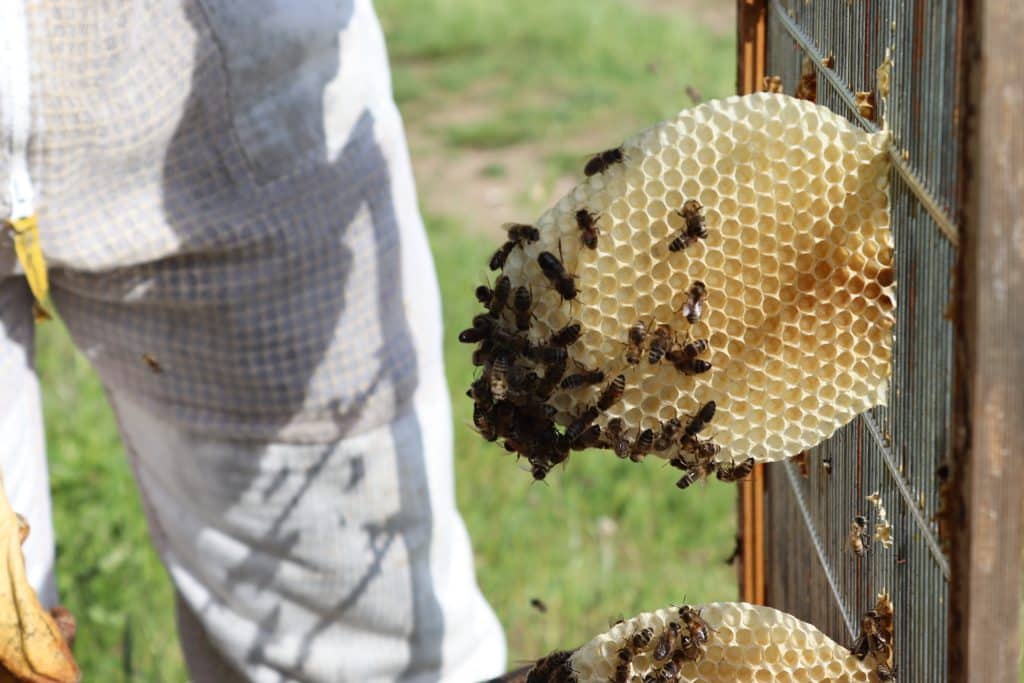
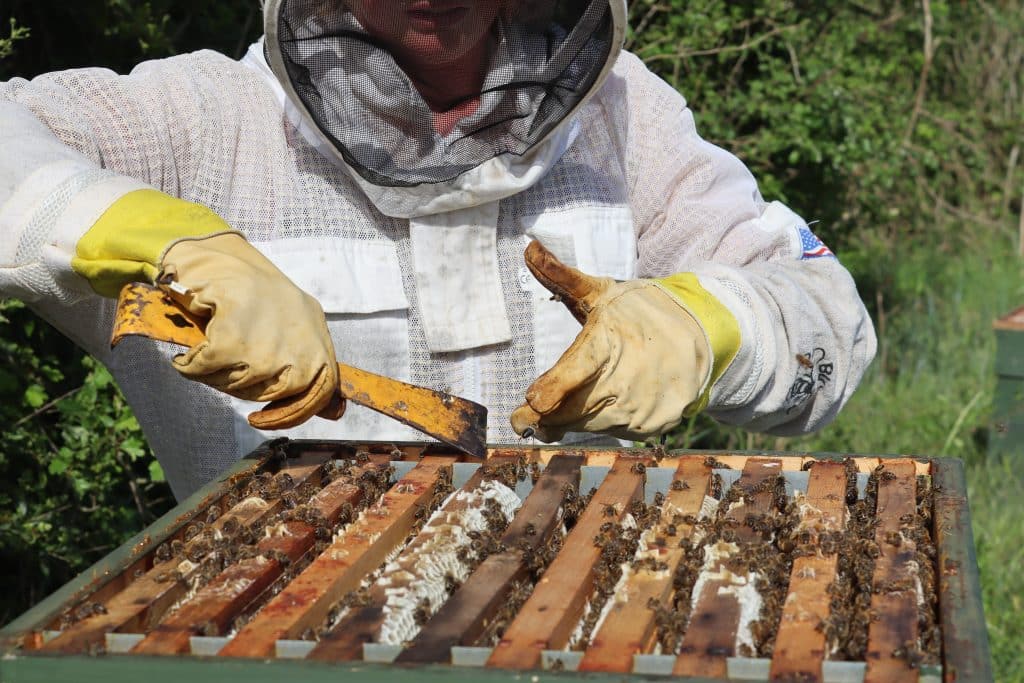
Cat regularly collects bees that are swarming on the estate and moves them to a more appropriate location. Recently she and fellow beekeeper Richard worked with a hive that had grown to six supers high. A super is an additional box added to a hive to store honey, and this particular colony had become enormous. ‘It was almost as tall as Richard,’ laughs Cat. ‘There was so much honey in it that it was too heavy to move.’
Despite working closely with hundreds of thousands of bees, Cat has only been stung around 20 times in five years – a record many beekeepers would be proud of.
For anyone thinking of taking up the hobby, her advice is simple: start with calm bees, invest in more equipment than you think you’ll need and seek guidance from experienced beekeepers or a local association. ‘Having someone there to help you understand what you’re seeing makes all the difference,’ she says.
At Holkham, supporting pollinators is an important part of our commitment to nature recovery through WONDER, our sustainability strategy. Bees play a vital role in pollinating crops, wildflowers and trees, helping to maintain healthy ecosystems and thriving landscapes. By creating and caring for habitats rich in nectar and pollen, we’re helping provide the resources bees and other pollinators need to flourish for generations to come.