Conservation Conversations: October 2026 on the Holkham National Nature Reserve
October 28, 2026 | Nature news | 3 minute read
This October brought us some rain at last! However, we will need a lot more before our grazing marsh pools, ditches and scrapes are up to a desirable level for attracting wintering wildfowl. So far, all our big flocks of Teal have been on an agricultural reservoir, Holkham Lake and Wells North Point pools, the only spots with any significant fresh water. Out first coordinated count of Pink-footed Geese brought us 10,600 on 12th October with most of these roosting on Wells/Warham saltmarshes.
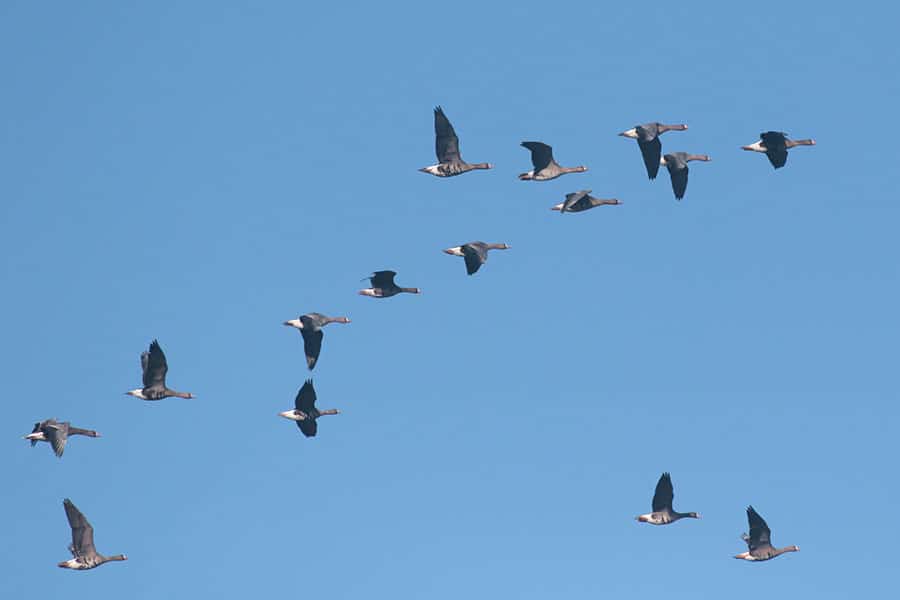
Whitefronts on the Holkham National Nature Reserve c. Andy Bloomfield
The hoped-for East wind came mid-month and brought us some migrants from the continent but not a huge arrival that the many birdwatchers on site were anticipating. Highlights included two Dusky Warblers, an influx of northern Mealy Redpolls with a snowy white Arctic Redpoll amongst them, a flurry of Woodcock and a small number of Yellow-browed Warblers. Most unexpected was an arrival of White-fronted Geese with some 400 seen arriving and passing straight through. These were undoubtedly Dutch-bound birds from their breeding grounds in Russia that overshot and ended up in Eastern England.
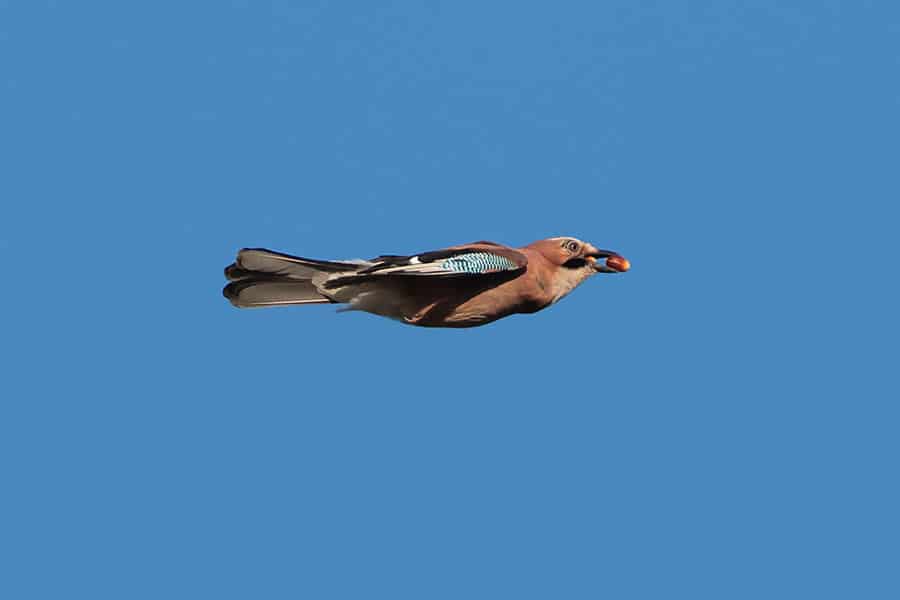
Jay in Holkham Park c. Andy Bloomfield
One event that was very obvious this month was the number of Jays flying back and forth from the Meals to the Park, in search of acorns. From outside the Lookout this phenomenon could be seen daily as the birds brought their quarry back to the dunes where they bury them in anticipation of a hard winter and a readily available yet hidden food source.
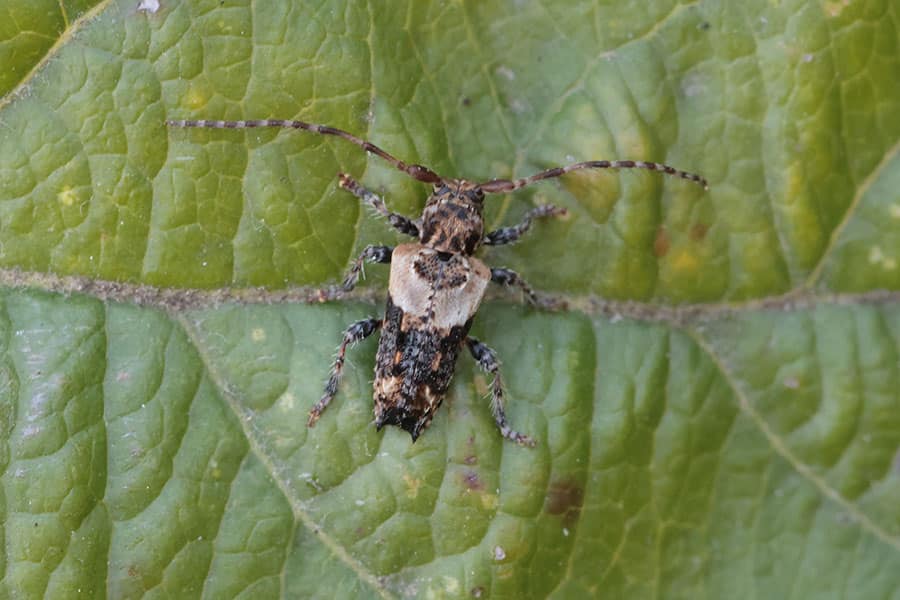
Lesser thorn tipped longhorn beetle on the Holkham National Nature Reserve c. Andy Bloomfield
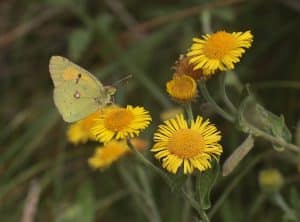
With the weather remaining sunny for most of October we saw a fair number of butterflies up until mid-month and these included Small Copper, Wall Brown, Peacock, Red Admiral and Clouded Yellows. Common Darter and Migrant Hawker dragonflies were also on the wing until the month’s end. A new species for the reserve came in the shape of a Lesser Thorn-tipped Longhorn Beetle, a widespread southern British species of deciduous woodland.
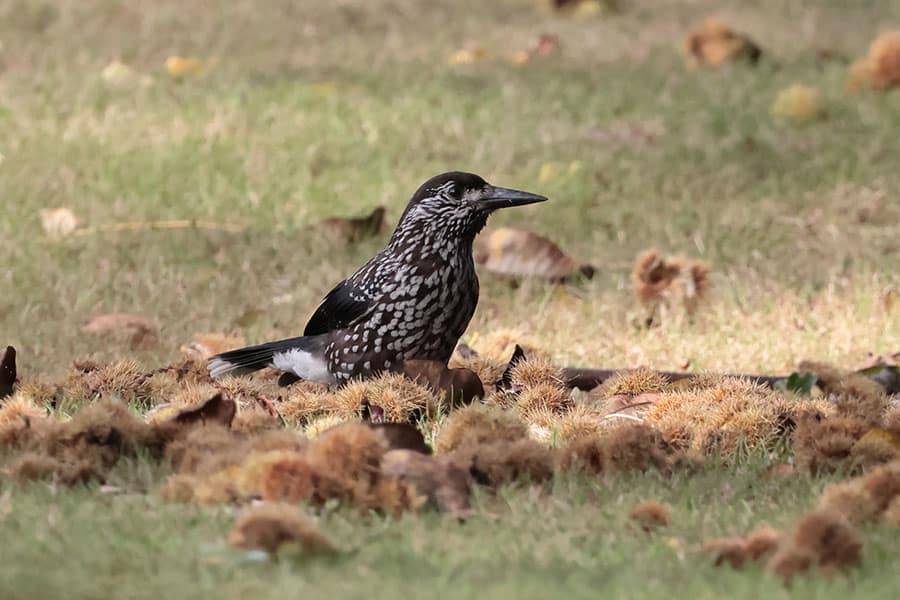
Nutcracker c. Andy Bloomfield
November will hopefully bring us more Pink-footed Geese and – you never know – a lost Snow or Ross’s Goose of which there are one or two among the huge goose flocks of Northern Britain. With all excitement focused recently on a Siberian Slender-billed Nutcracker in Mundesley in East Norfolk, could we too attract one to Holkham? These characterful birds of Northern and Eastern forests periodically migrate West if a local food shortage prompts it and we have plenty of habitat for them here. Holkham last had one in 1969, so we are long overdue another, keep your eyes peeled!
Back to Journal Back to Journal