Conservation Conversations: November 2026 on the Holkham National Nature Reserve
November 29, 2026 | Nature news | 3 minute read
This November was a most exciting month on the nature reserve! With an easterly wind blowing in from the continent the rare birds came…and so did the birdwatchers. Two species were not only new for the NNR but new for Norfolk too. The first was a Black-faced Bunting, a rather subtle, small songbird from central and northeast Asia. It spent four days on the edge of Warham saltmarsh but was often quite elusive.
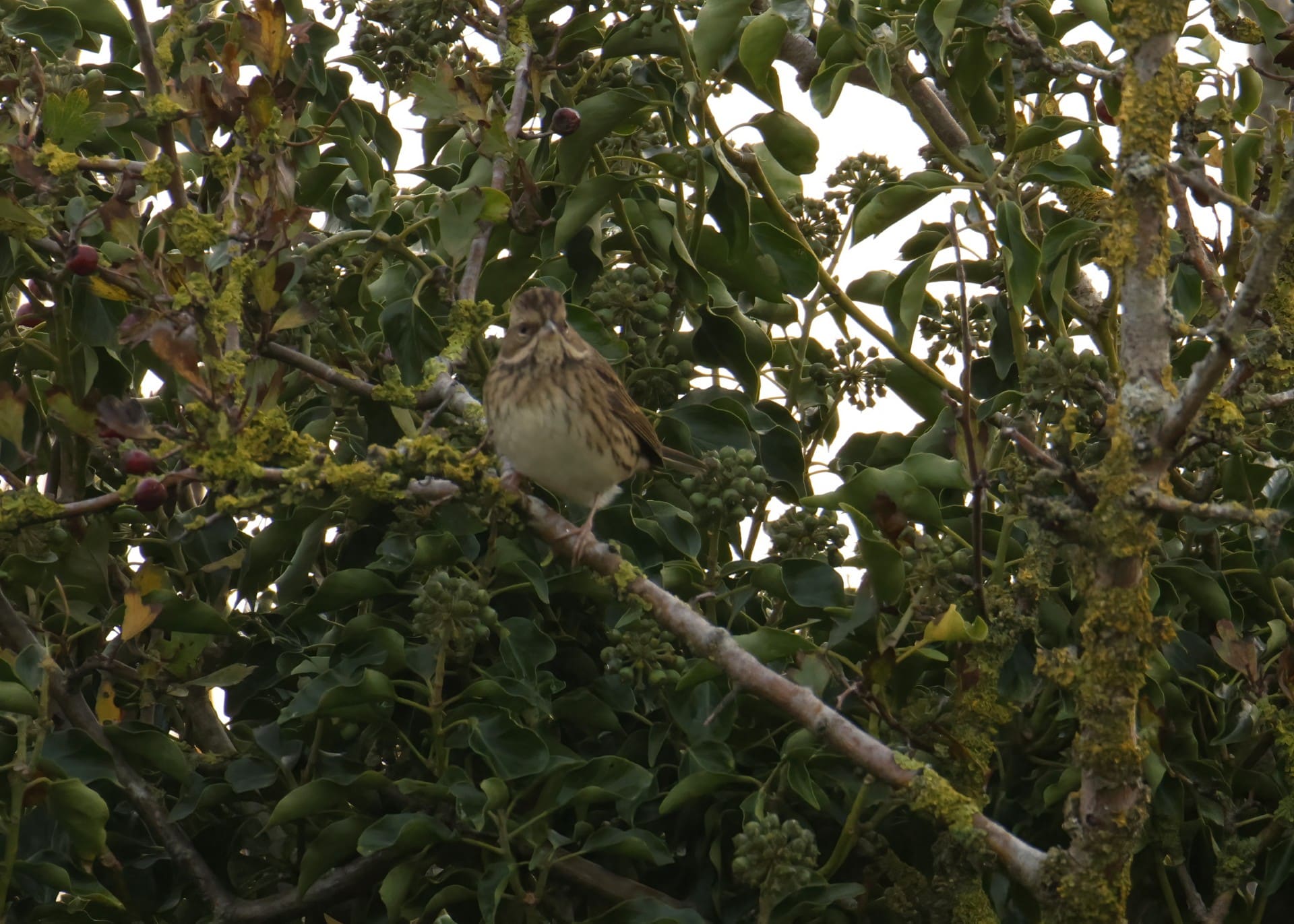
Black-faced bunting c. Mike Buckland
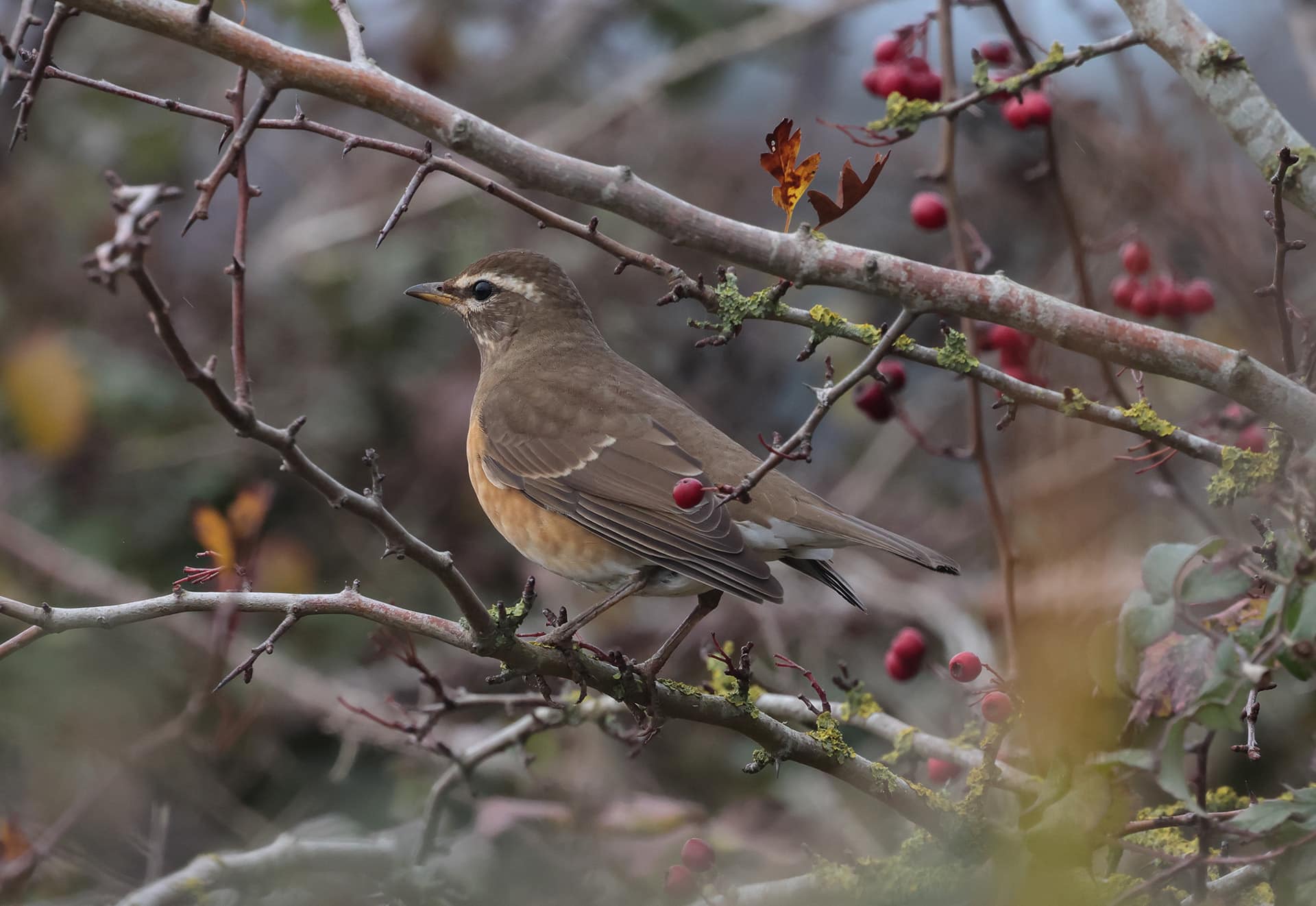
Even more elusive was an Eye-browed Thrush at Lady Anne’s Drive. This large, colourful species, also from the forests of Siberia, Mongolia east into Japan, was seen briefly by a handful of people before disappearing only to reappear three days later. Then it was seen happily eating berries from a hawthorn alongside the carpark much to the appreciation of a growing number of observers once the news of its presence went viral. Sadly, the next day it had gone much to the sadness of an equally large gathering of birders.
Eye browed thrush c. Andy Bloomfield
Other Siberian rarities included up to 6 Hume’s Warblers, a Pallas’s Warbler, and Siberian Chiffchaff whilst northern European species such as Waxwings, Mealy, the odd Arctic Redpoll and a Rough-legged Buzzard were equally as appreciated by visitors and locals alike. Unseasonal Swallows, a House Martin and Ruddy Darter dragonflies mid-month showed just how mild the weather has remained.
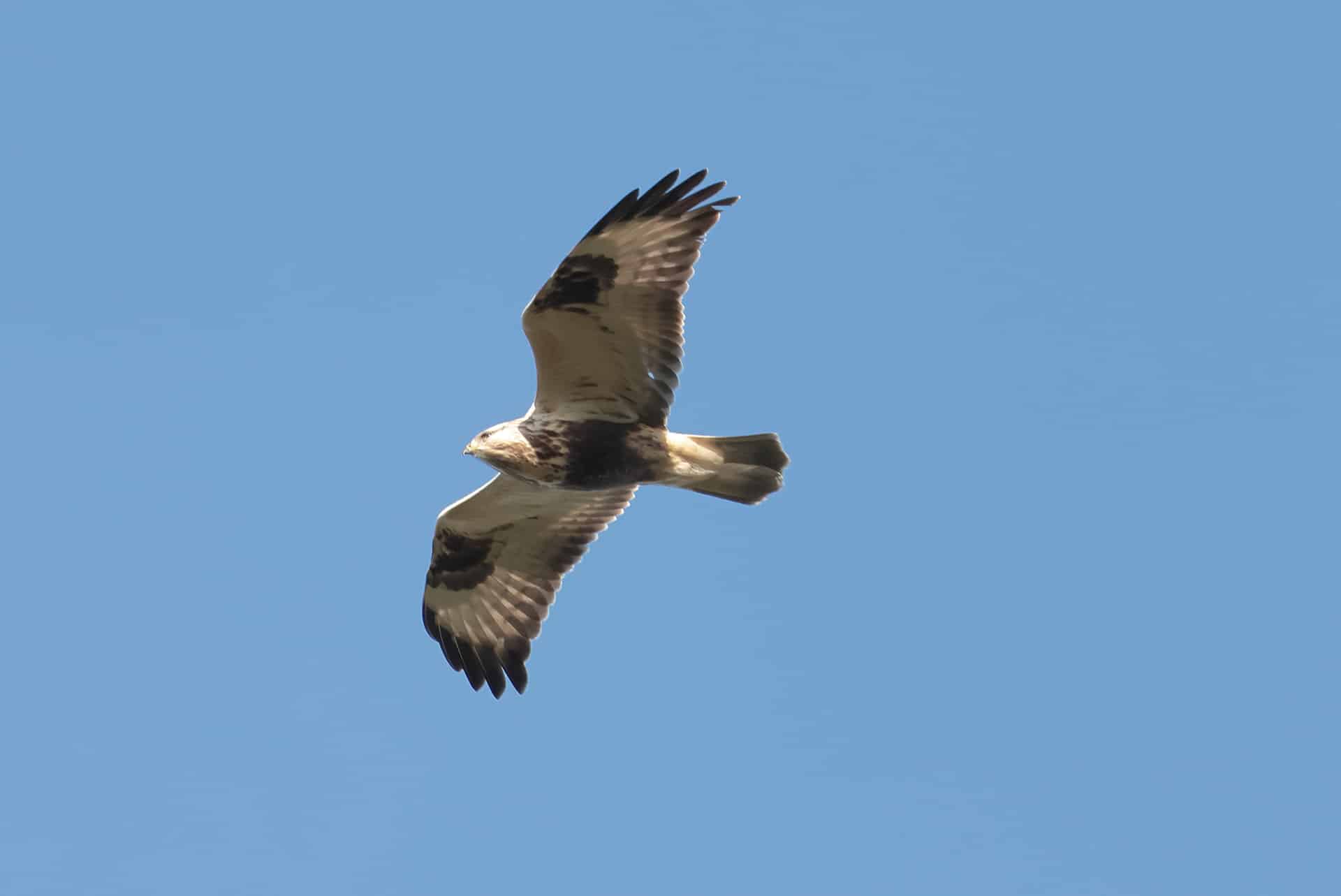
Rough legged buzzard c. Andy Bloomfield
With the marshes still being quite dry despite a significant amount of rain logged late in the month, our wildfowl numbers remain low currently. Wigeon peaked at a meagre 400 on Holkham Lake, Teal were concentrated off the reserve at Wells North Point (an estimated 4000) whilst Pinkfeet peaked at an estimated 20,000, with most using the Warham/Stiffkey foreshore roosts. One of the most striking sights of the month was that of 20,000 Starlings leaving their roost near Meals House, something we do not note all that regularly.
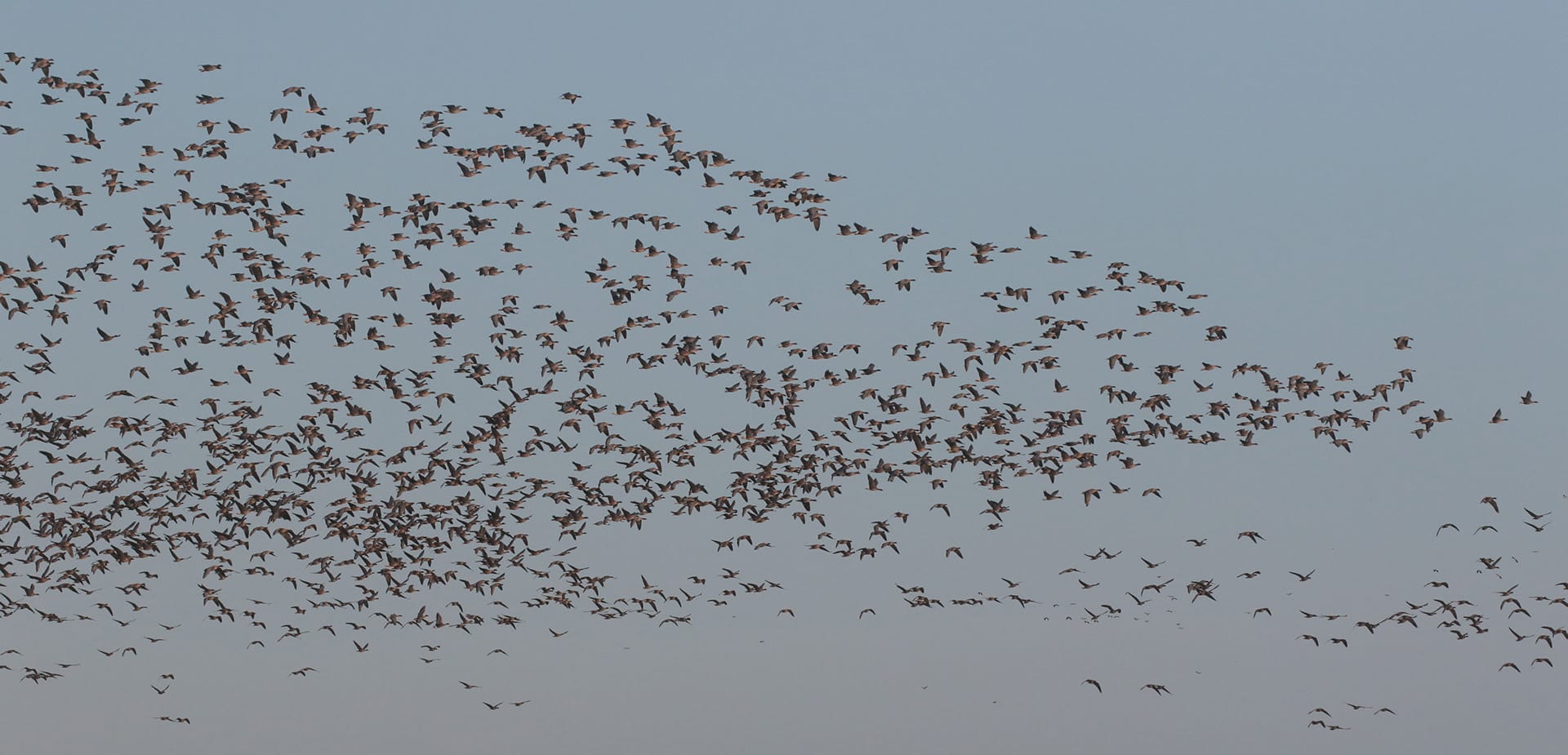
Pinkfeet geese at Waterden c. Andy Bloomfield
Fungi have had a poor showing so far with the mild conditions undoubtedly causing the lack of diversity. Even so a number of specialists such as Tiny and Collared Earthstars did emerge.
Hopefully December will bring us more rain and conditions conducive for attracting more geese and ducks the species we associate with a Holkham winter.
Back to Journal Back to Journal