Conservation Conversations: September 2026 on the Holkham National Nature Reserve
September 30, 2026 | Nature news | 3 minute read
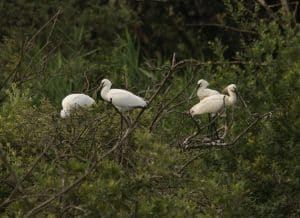
September was yet another very dry month. It accelerated a cumulative effect that we have been experiencing all year. Some ditches were so dry that cattle were able to walk between fields. With a digger booked to undertake our annual work plan on the grazing marshes a slight re working of our plan was deemed essential to see if we could move around more freely any water we had left. We discovered that within Decoy Wood, the home of our nesting Spoonbills and egrets, there were ditches that had been long forgotten and covered in with years of accumulated silty mud and reeds. With great trepidation our brave digger driver Jamie found a way into the wooded swamp-like environment. The result after two days of digging was two re-instated ditch systems and a flow of water that had once been prevented from moving. Such jobs are essential for not only the cattle but also the inhabitants of our vibrant fresh water eco system.
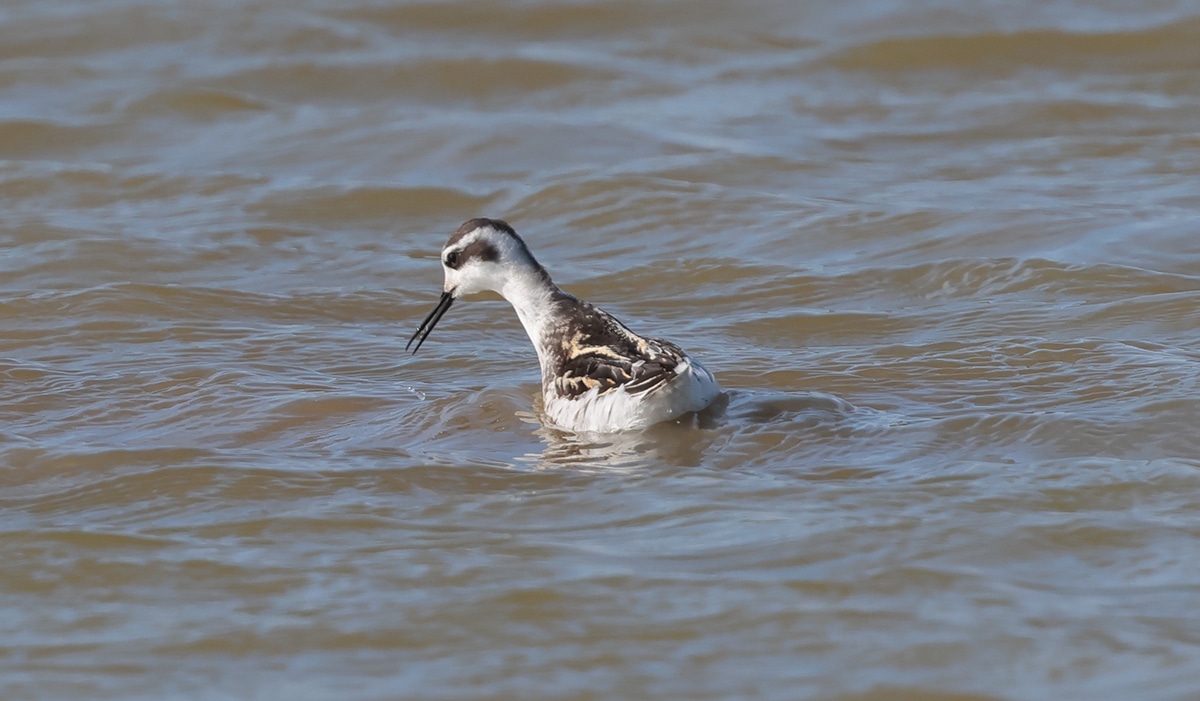
Red Necked Phalarope on the Holkham National Nature Reserve c. Andy Bloomfield
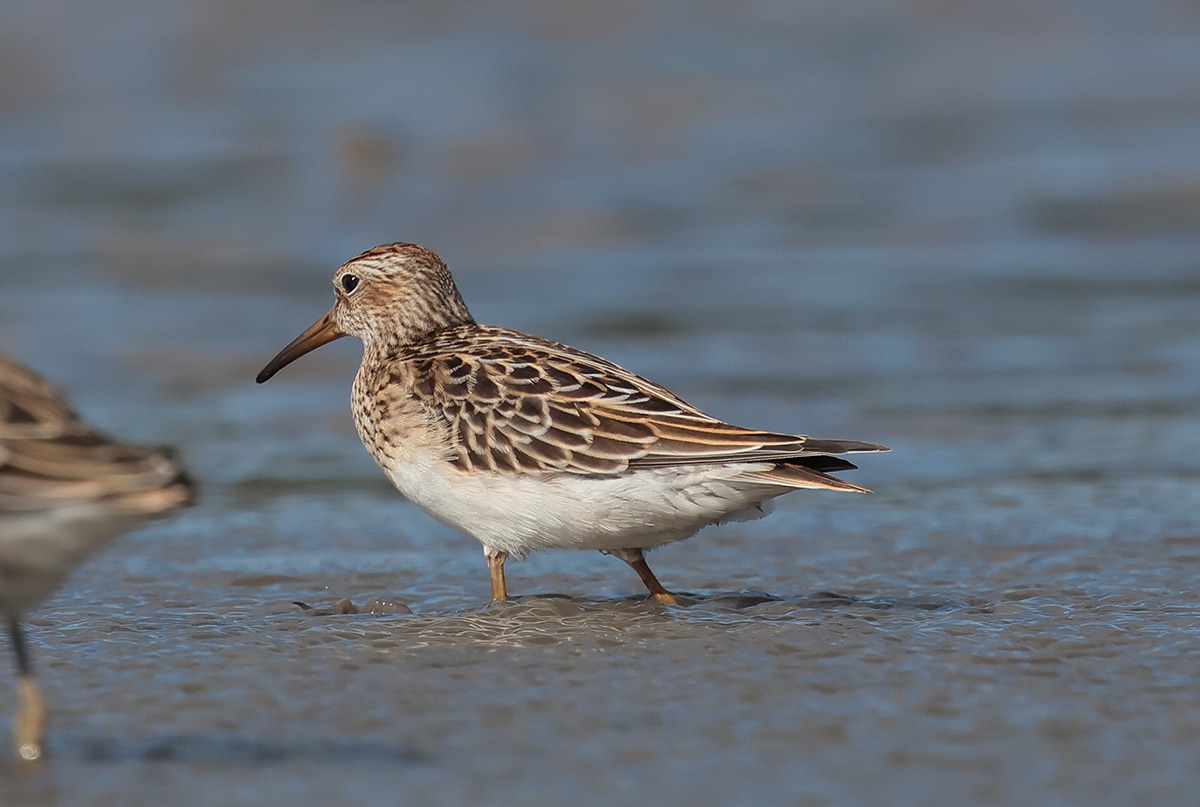
Pectoral Sandpipers on the Holkham National Nature Reserve c. Andy Bloomfield
Wildlife – wise September proved quite quiet. As always there are a few exceptions. Pink-footed Geese returned from their Icelandic nesting grounds with the first four seen on 8th, before numbers picked up to 4000 by 14th. Rare wading birds included two Pectoral Sandpipers from the tundra of either North America or Siberia and a Red-necked Phalarope from the north isles of Scotland or Scandinavia. The Phalarope attracted plenty of visitors to the Jordan Hide where it was watched daily for a week.
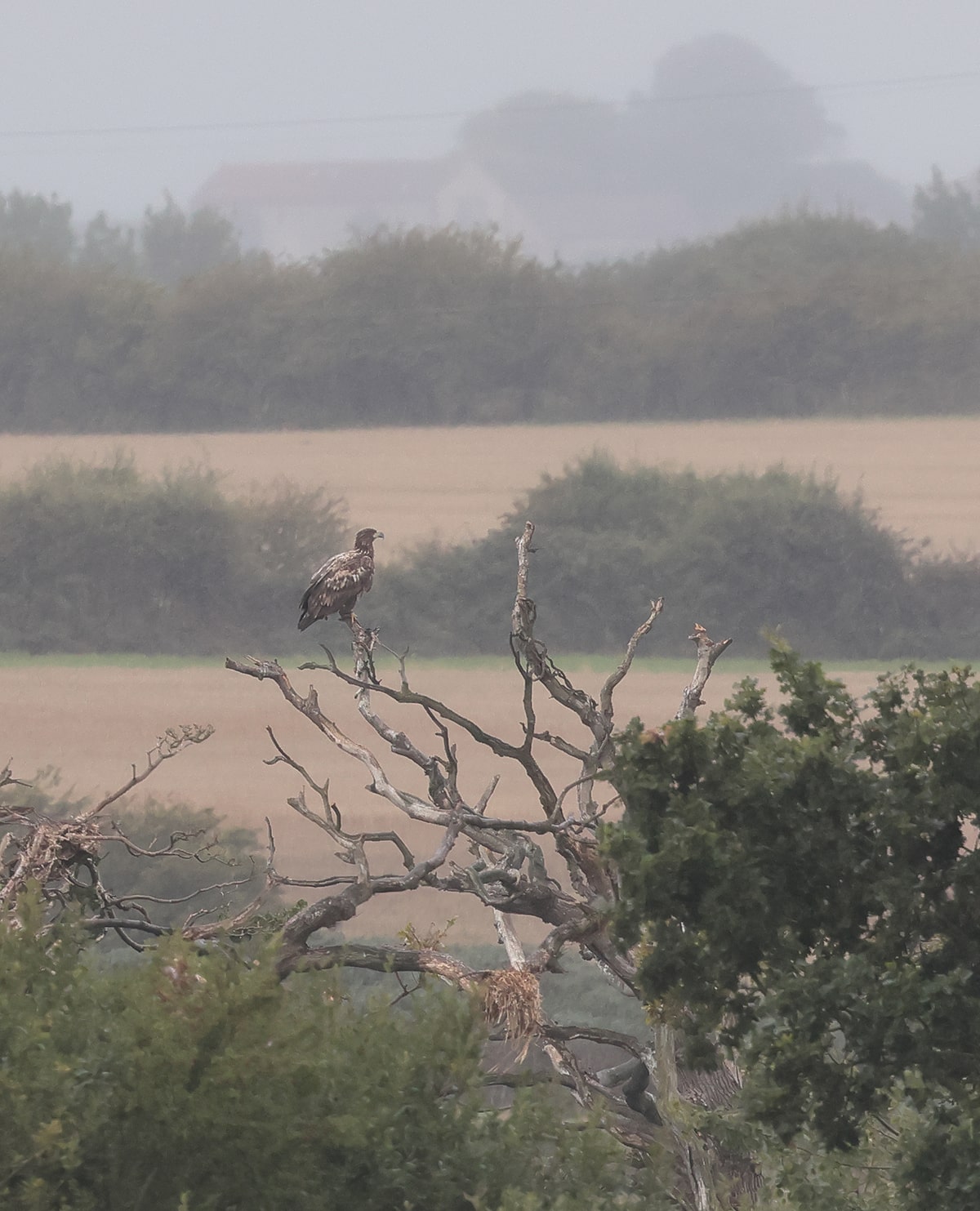
White tailed eagle on the Holkham National Nature Reserve c. Andy Bloomfield
A White-tailed Eagle also paid us a visit for one day also on view from Jordan Hide. It was an immature born in a Sussex nest in 2025. Cattle Egrets continued to frequent the various herds whilst up to four Glossy Ibis were periodic visitors, roosting in Decoy Wood with the egrets.
A new moth for the reserve, a Clifden Nonpareil, otherwise known as the Blue Underwing, was seen in Wells Pinewoods. Despite being cryptically marked when perched up on dead wood, in flight it shows amazing pale underwings (hence its other name). It is another insect that has moved northwards in England in recent years due to warmer conditions.
October is often a great month at Holkham for birdwatchers. If the winds blow from the east there could be all sorts of migrant birds arrive. If rain arrives, we might also see lots of fungi start to emerge. We await the next few weeks with high expectations!
Back to Journal Back to Journal