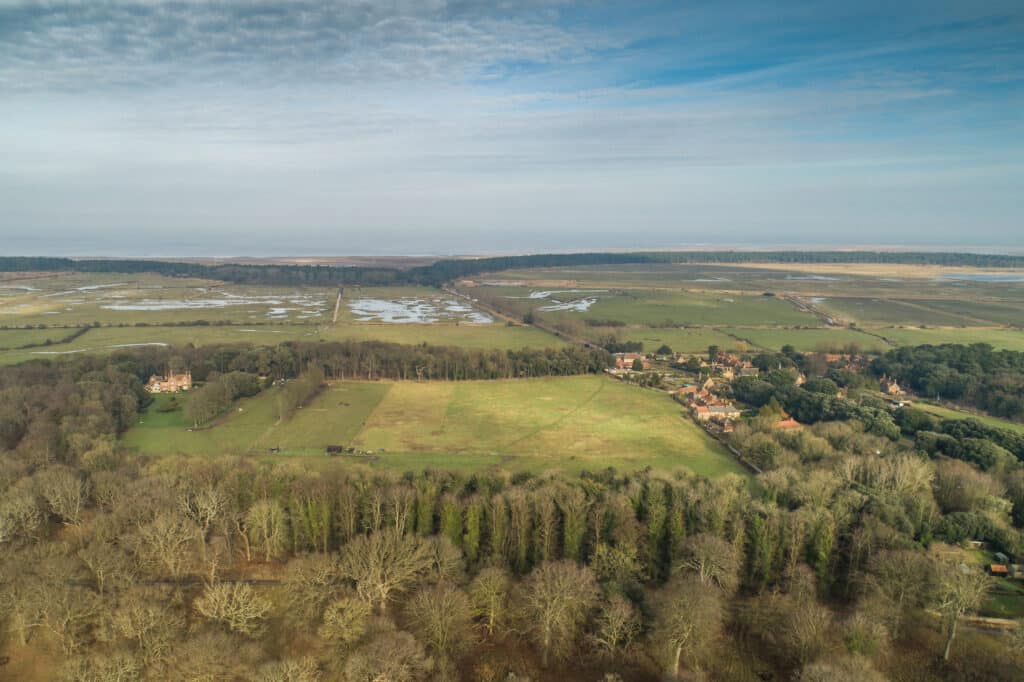
Immy’s 10 wonders of Holkham wildlife you must see during your visit to The Victoria
March 23, 2026 | The Victoria | 5 minute read
The Victoria is situated on the edge of Holkham National Nature Reserve and Receptionist, Immy, shares her top 10 wildlife highlights to spot whilst your with us.
Holkham and the surrounding area is bursting with wildlife including super spots such as pink-feet in their thousands during the winter months, the exquisite variety of orchids you’ll find like jewels dotted throughout the Holkham National Nature Reserve and Holkham Park or during spring and summer you may be fortunate enough to spot a spoonbill, characterised by their spoon shaped beak – Holkham is one of the only places you can spot them in the UK!
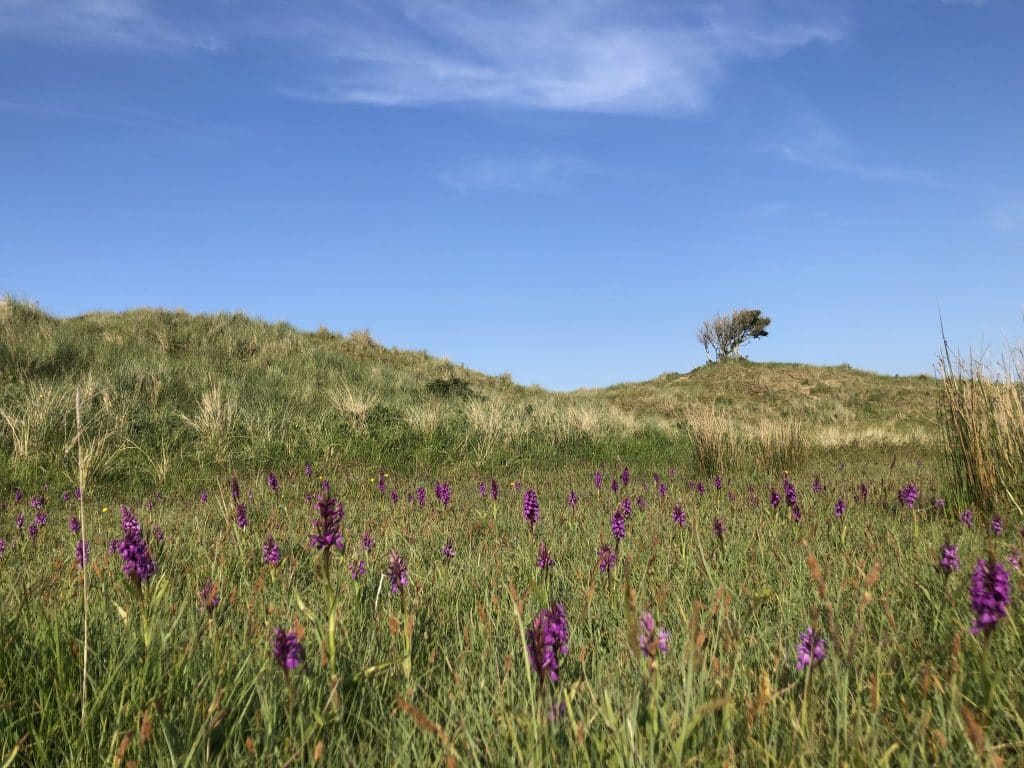
1. Orchids
Orchids can be spotted all over the estate but the best places to see them is Orchid Valley. Orchid Valley can be found at the west end of the pines and makes for a spectacular sight in the spring and early summer as the dunes come alive with butterflies and bees. This is an excellent area to search for a variety of delicate orchid specie including Bee and Pyramidal orchids in the dry dunes along with Southern Marsh and Early Marsh orchids and Marsh Helleborines in the damper patches.
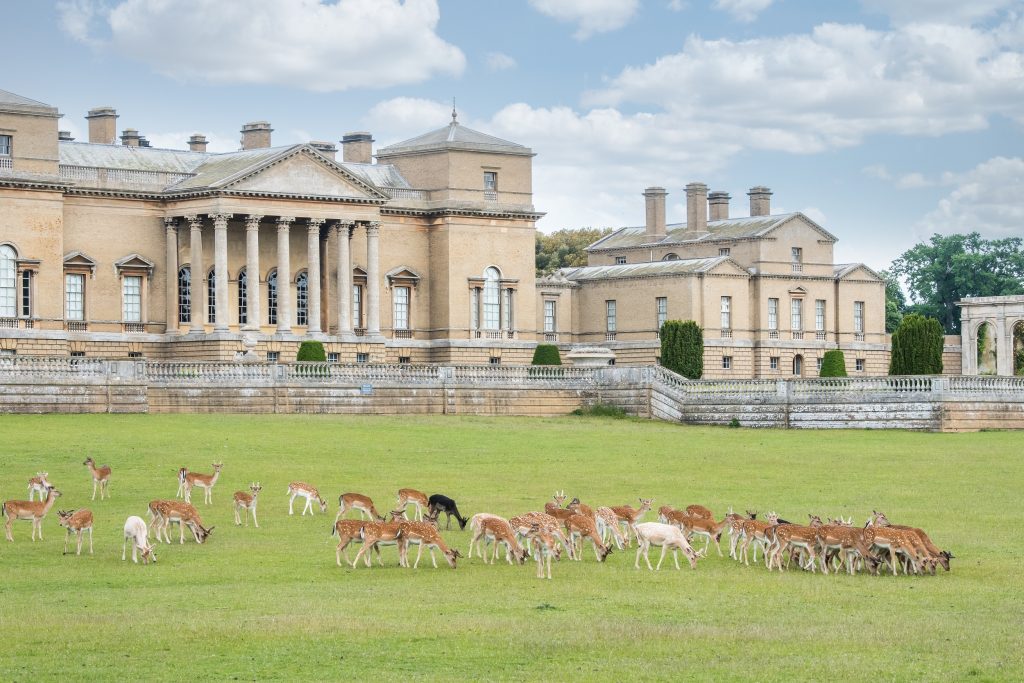
2. Fallow Deer
A trip to Holkham Park wouldn’t be complete without spotted the heard of Fallow Deer that roam and graze the park freely. Fully grown males are known as bucks, the females as does and the young as fawns. They were brought to the park in 1844 by the second Earl of Leicester to be used for venison and are still used to provide meat to The Victoria throughout the season today.
3. House martins
During the warm summer months, House Martins nest in the eaves of the building and you can spot them darting in and out of their nests during the day. Members of the swallow family, house martins are easily mistaken for swifts or swallows, look out for their glossy blue-black upper parts and pure white under parts with a forked tail. They come back to the same nesting sites each year – I always look forward to seeing them.
4. Pink-Footed Geese
The arrival of the Pink-footed geese are a sure sign of winter. They arrive to the Nature Reserve in their thousands peaking in December. They’re a wonderful sight (and sound!) any time but for a truly magical viewing, visit the NNR at sunrise or sunset.

Winter sunrise on the Holkham National Nature Reserve c. Paul Eele
5. Oyster-catchers and plovers
You can spot these cheerful birds year-round but they are particularly active in the spring and summer, you’re likely to have heard the call of an oyster catcher in Holkham Park or out for a stroll on Holkham Beach. They ground-nest in the dunes, laying pebble-patterned eggs which are well disguised to avoid predators.
6. Pine trees
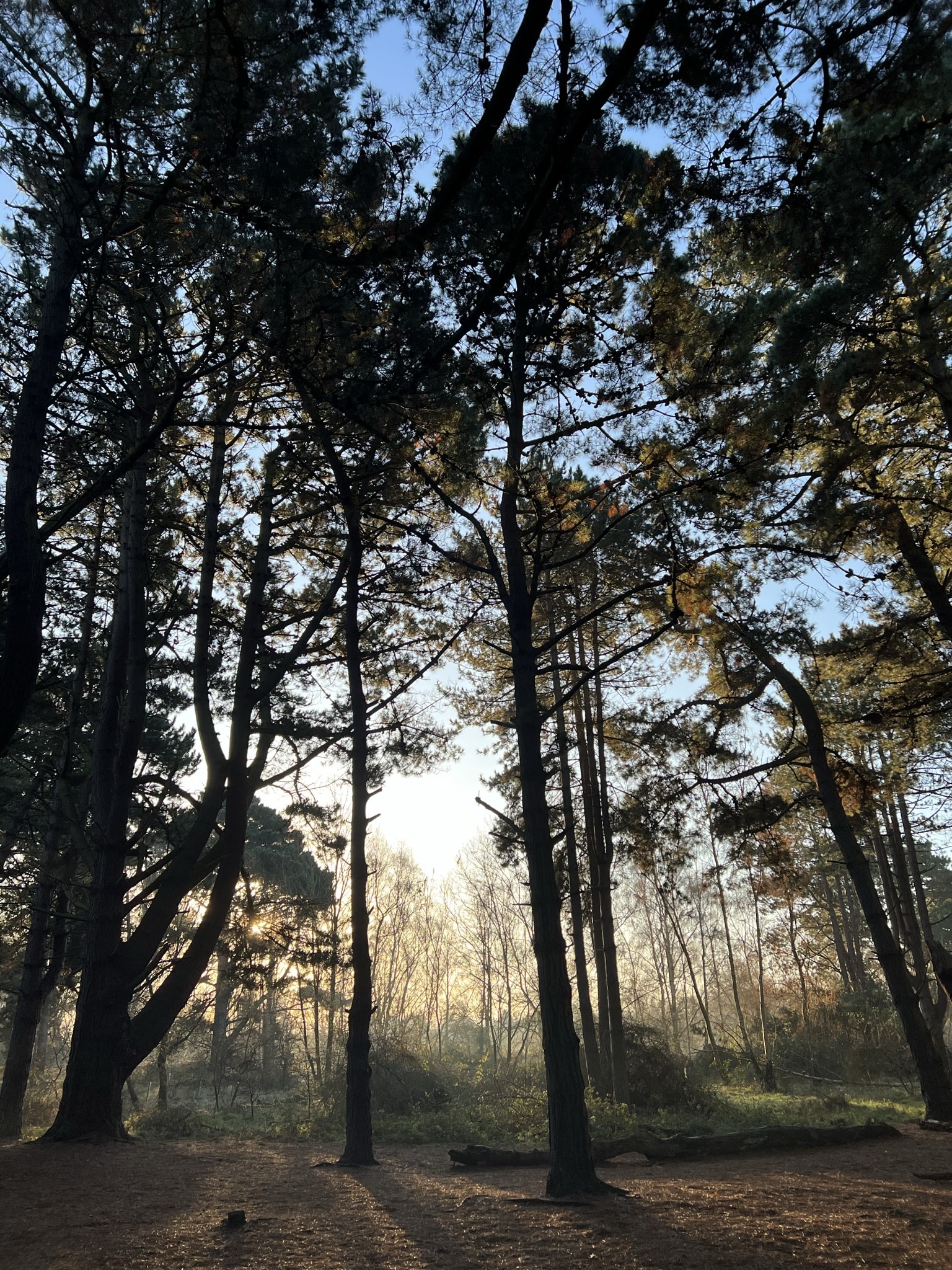
Running all the way from Wells to Holkham, the mighty pine woods are a peaceful paralel to a walk on the beach. Three kinds of pines grow in the woods, Corsican (grey trunk, small cones), Scots (orange upper trunk) and Maritime (large cones in tree-top clusters). They were planted in the late 1800s as a means of stabilising the sand dunes and preventing sand blowing over onto the reclaimed arable land between Holkham and Wells.
7. Spoonbills
With their gleaming white plumage, their statuesque proportions and their wacky spoon shaped beak, Spoonbills could be described as positively exotic. In recent years there has been a growing population along the north Norfolk coastline and the chances of a sighting in the summer months is almost guaranteed (head to the Jordan Hide for a great viewing space). Spoonbills have now been breeding at Holkham annually since 2010; one of the greatest success stories since Holkham National Nature was created back in 1967.
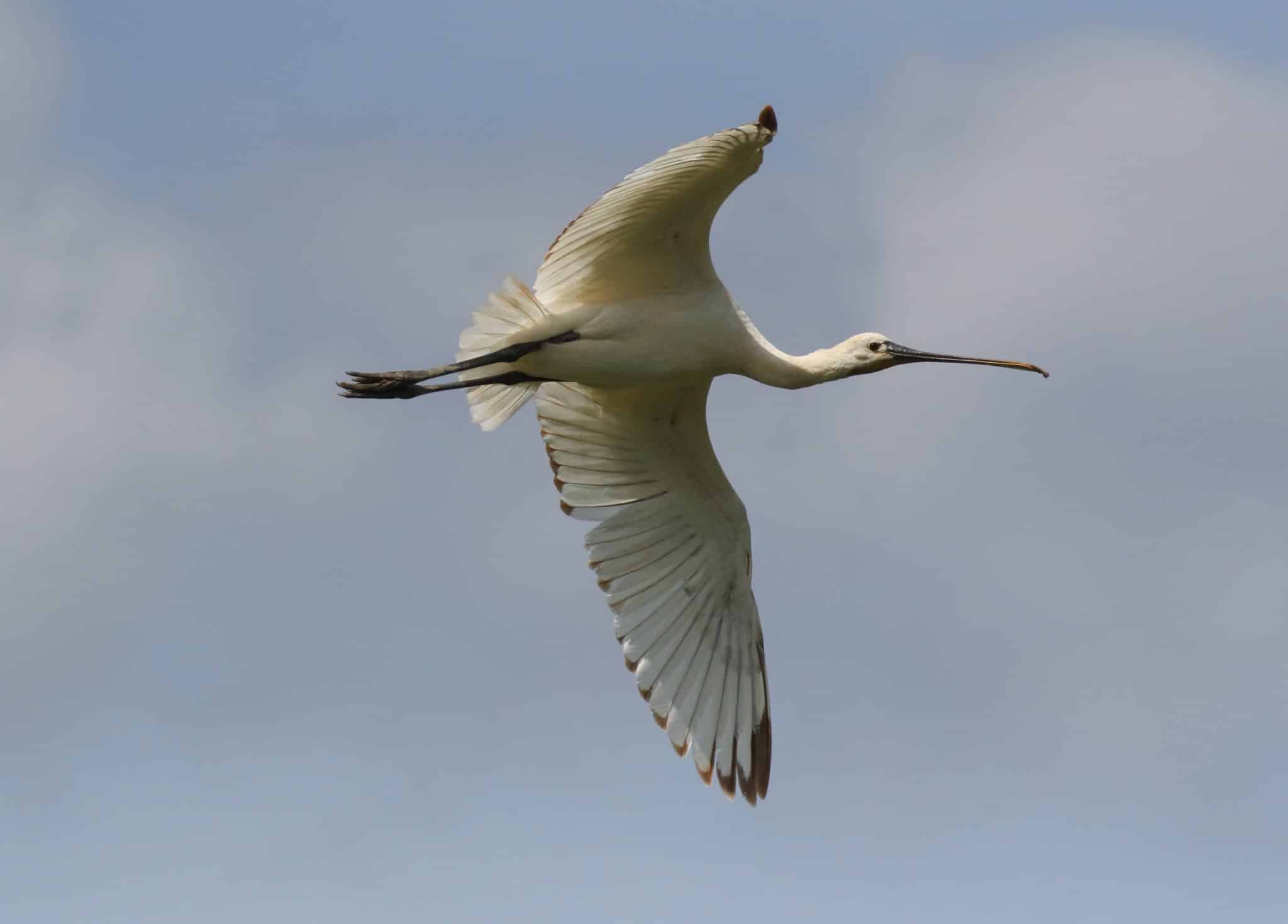
Spoonbill in flight c. Andy Bloomfield
8. Marsh Harriers
If you take a seat at The Lookout you’re bound to see these majestic birds displaying or hunting over the grazing marsh. In recent years, sightings have become increasing regular; yet they are still a breathtaking bird to see in action.
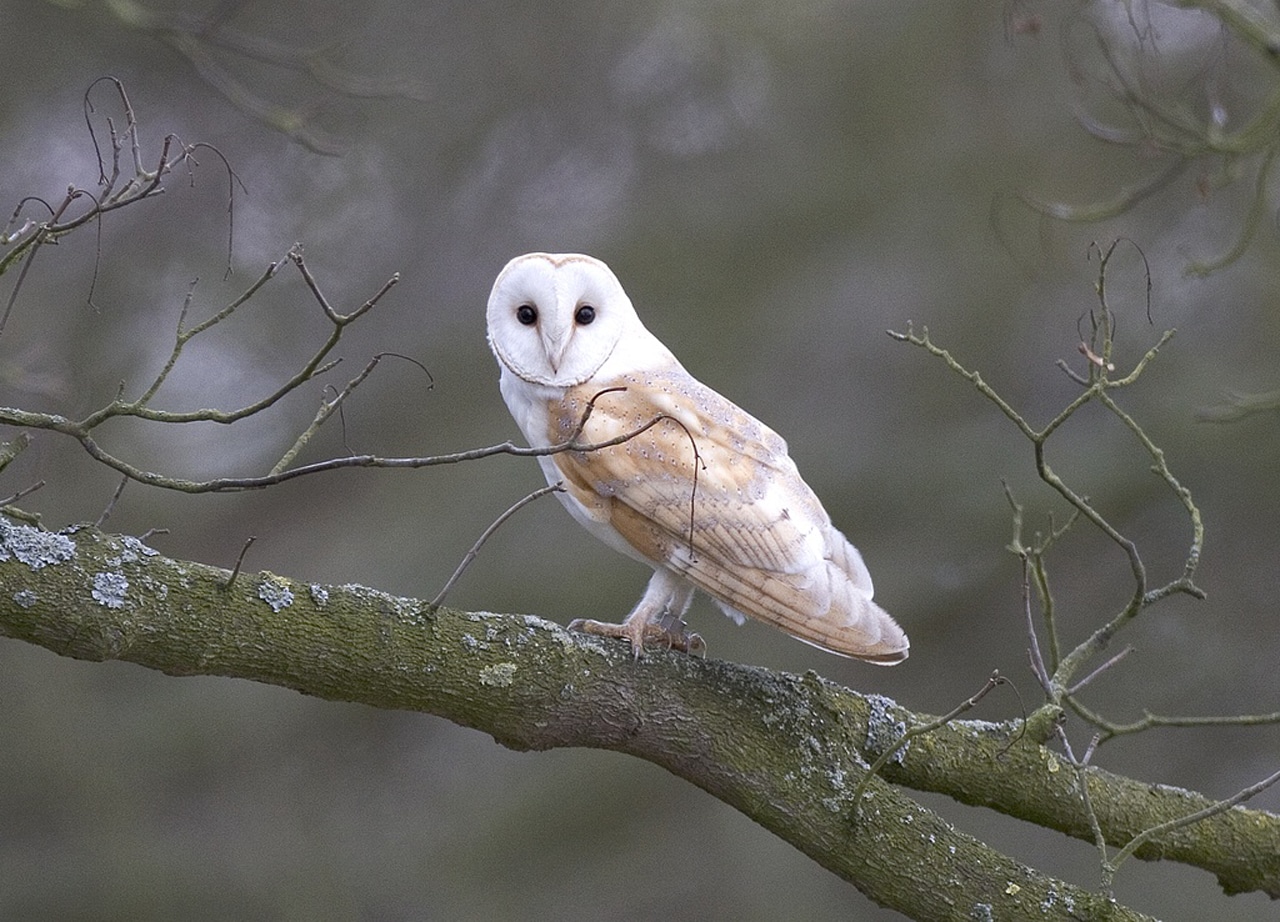
9. Barn Owls
It is always a pleasure to watch a Barn Owl peacefully glide across the wetlands at dawn or dusk. They are a common sight in Holkham Park and on the Nature Reserve particularly after rainfall so head out during twilight for a pre-breakfast or pre-dinner sighting.
10. Dune Flowers
During spring and summer the sand dunes fill with an abundance of dainty and unusual flowers. Keep your eyes peeled as you stroll through them and see if you can identify any!
Want to learn more?
Have a browse of our nature pages, read the Conservation Conversations journal posts for more information on wildlife in Holkham throughout the year and follow @holkhamconservation on Instagram for daily updates too!
Back to Journal Back to Journal