Conservation Conversations: February 2026 on the Holkham National Nature Reserve
February 24, 2026 | Nature news | 3 minute read
The new year started with many grey and damp days, punctuated with a few brighter frosty days and even the odd flurry of snow. This all influenced the local wildlife. The sharp frosts brought an end to our celebrity Hume’s Warbler that had looked set to winter but disappeared with the onset of the cold spell. Our Pink Footed Geese were also affected; having reached a winter high of 47,000 they temporarily deserted the marshes – they tend not to like frozen conditions.
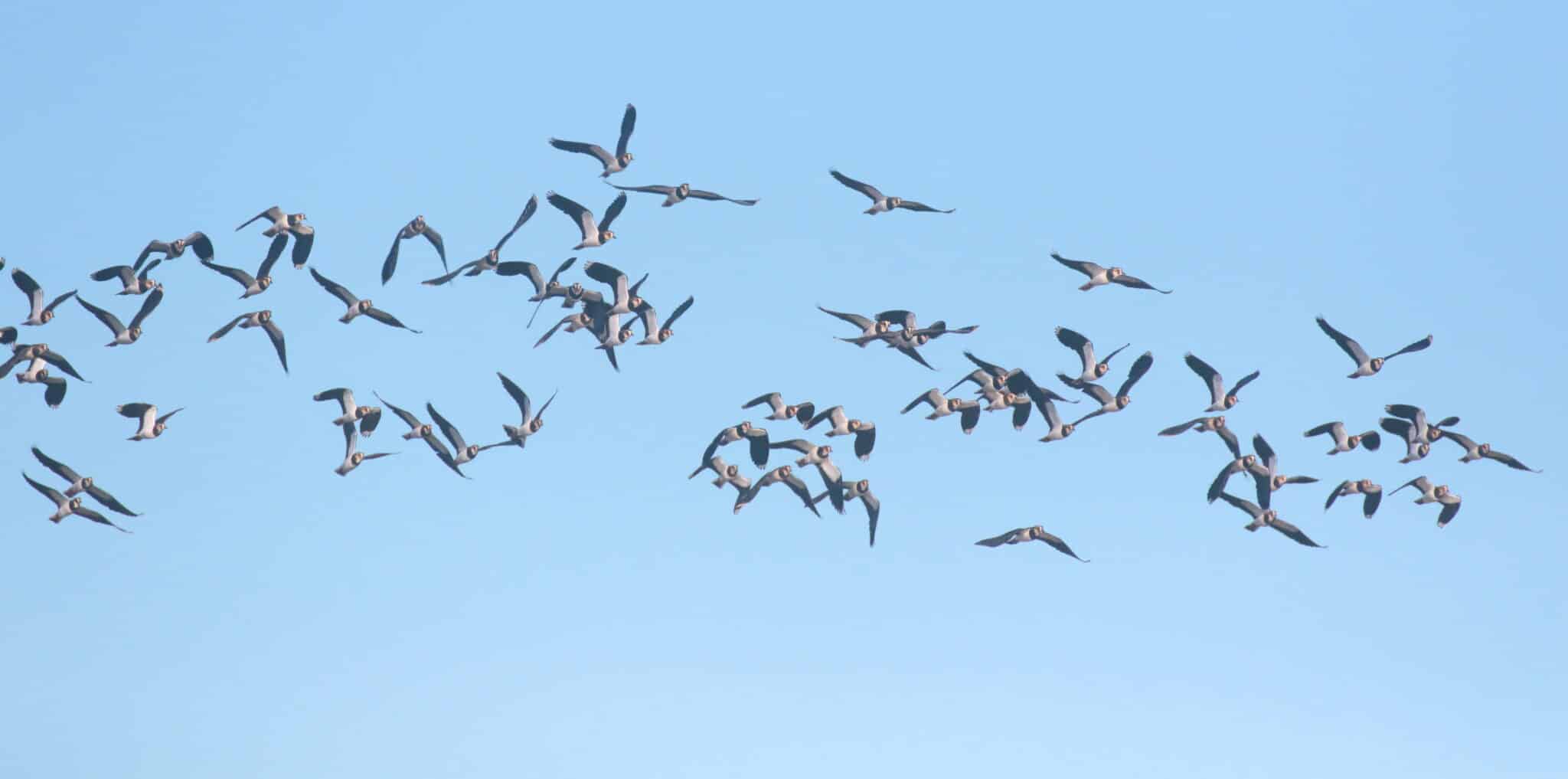
Once the weather became milder and the rain started to become more regular, our marshes at last started to look like a great wetland that we know it often is. With fields and scrapes at maximum water levels the birds started to arrive. We had two record breaking counts this year, for Lapwings and White-fronted Geese. In the winter we always see large numbers of Lapwings arrive from the continent and when there is a full moon many of the farmland flocks descend to roost by day on the marshes. This year a combined count of 24,150 smashed all our previous records!

Similarly a most interesting arrival of geese occurred at the start of February. This was primarily White-fronted Geese that left the Dutch coastline and arrived in North Norfolk in great numbers. We recorded over 1100 on one day, another record-breaking count; with them came Tundra Bean Geese and Barnacle Geese too. The latter also reached record breaking numbers with over 900 present on the marshes. Admittedly this comprised of newcomers from Holland with our feral semi resident flock, but it made for an impressive flight as they all took to the air.
Scarcities that brought the birdwatchers to the area included a Red-necked Grebe on Overy Marsh, a Ferruginous Duck to Holkham Lake and the three long staying Great Northern Divers in Wells Harbour.

What to look out for in March
With March around the corner all eyes will be on the first signs of spring. Maybe the first returning Wheatear from wintering grounds in Africa will be imminent. Flora will start to emerge and hopefully brighten our days along with some prolonged sunshine, something we have been lacking of late. One of the first plants to look out for in the pinewoods is the Colt’s foot, its yellow blooms brightening the trackside grass verges.


Back to Journal Back to Journal
Related journals

Immy’s 10 wonders of Holkham wildlife you must see during your visit to The Victoria
The Victoria
Read more
Conservation conversations: January 2026 on the Holkham National Nature Reserve
Nature news
Read more