Conservation Conversations: March 2026 on the Holkham National Nature Reserve
April 1, 2026 | Nature news | 2 minute read
March has been a relatively quiet month with the end of winter being far more apparent than the beginning of the spring! Our wintering ducks and geese started to drop dramatically except for the White-fronted Geese that still numbered close to 900 right up until the month’s end. Not only have we seen our largest numbers ever this winter but their stay here was far longer than expected.

Ferruginous duck in Holkham Park c. Andrew Bloomfield
One rarity that attracted quite a lot of observers to Holkham was a drake Ferruginous Duck on the Park Lake. It arrived in February with a bunch of Pochards and stayed well into March. This beautiful duck originates from southern Europe and gets its name from its deep mahogany colour. In the past, as its eyes were a different colour to the red of the Common Pochard, it was known as the White-eyed Pochard.

Egyptian goose and goslings at Holkham c. Andrew Bloomfield
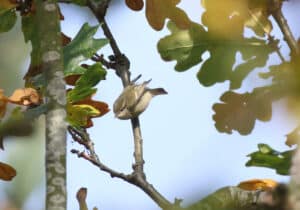
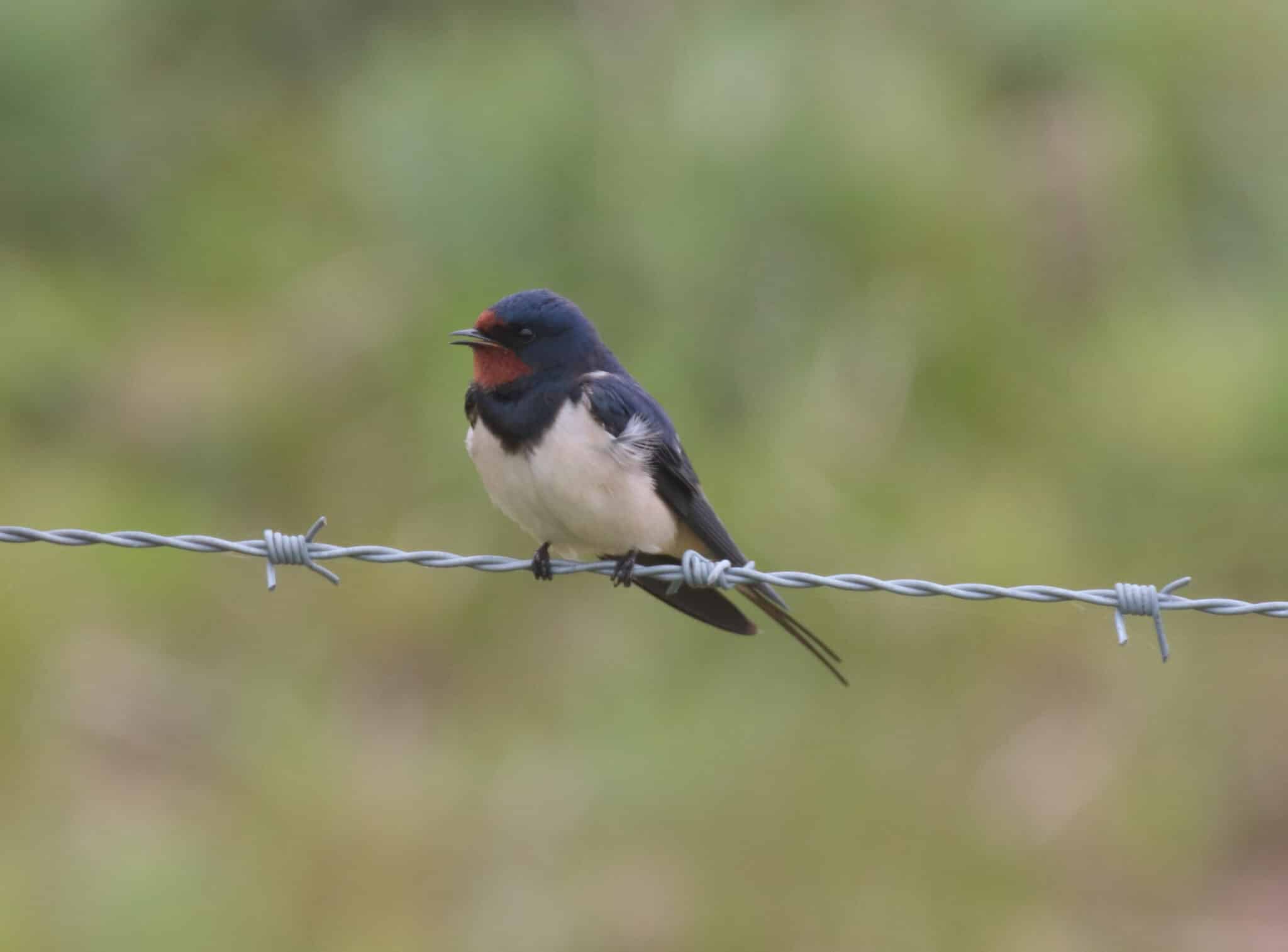
Other signs of spring were the incoming migrants ahead of the summer breeding season. These however, were few and far between – although an exceptionally early Swallow was at the Walled Garden and a Willow Warbler at Wells East Hills were both seen on 18th March . The nesting season got well underway for our early breeders with Spoonbills and Grey Herons on nests and Egyptian Geese starting.
The insect season also got off to a start with plenty of Brimstones and Peacocks on the wing. In the dunes there was an abundance of Early Colletes bees by the month’s end, a relatively new species that has started to be seen here because of climatic change.
What to look out for in April
Hopefully in April it will be all systems go for the spring season. Cuckoos will be calling, Sedge Warblers will be singing and Lapwings will be nesting. Butterflies such as Holly Blues, Orange Tips and Speckled Woods should be starting to appear.
Back to Journal Back to Journal
Related journals

Immy’s 10 wonders of Holkham wildlife you must see during your visit to The Victoria
The Victoria
Read more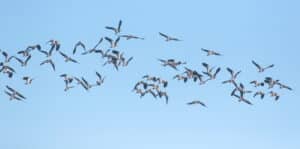
Conservation Conversations: February 2026 on the Holkham National Nature Reserve
Nature news
Read more