The making of the tall bearded irises project
May 6, 2026 | Garden goss | 5 minute read
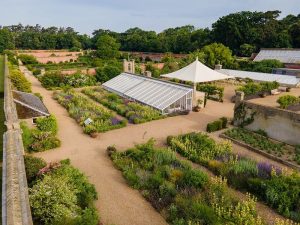
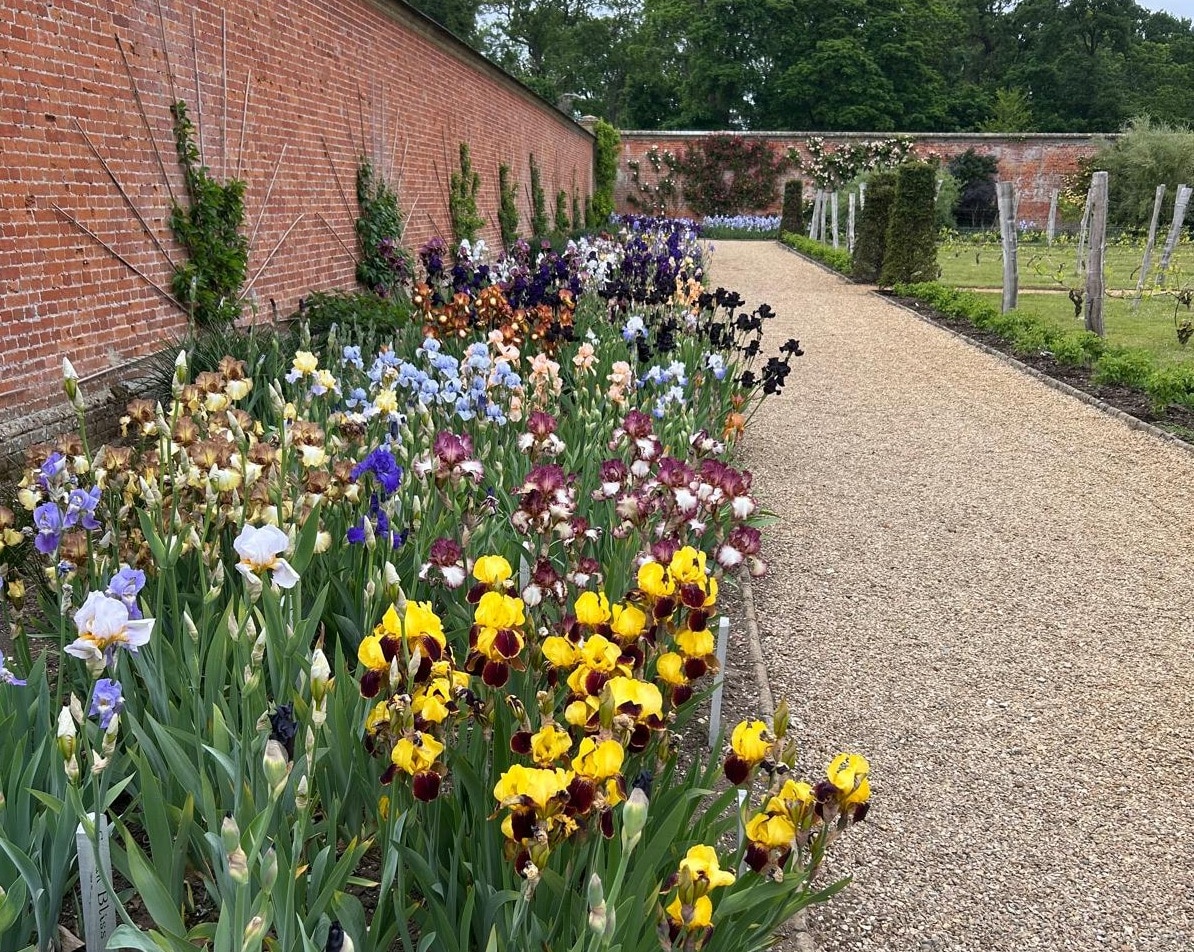
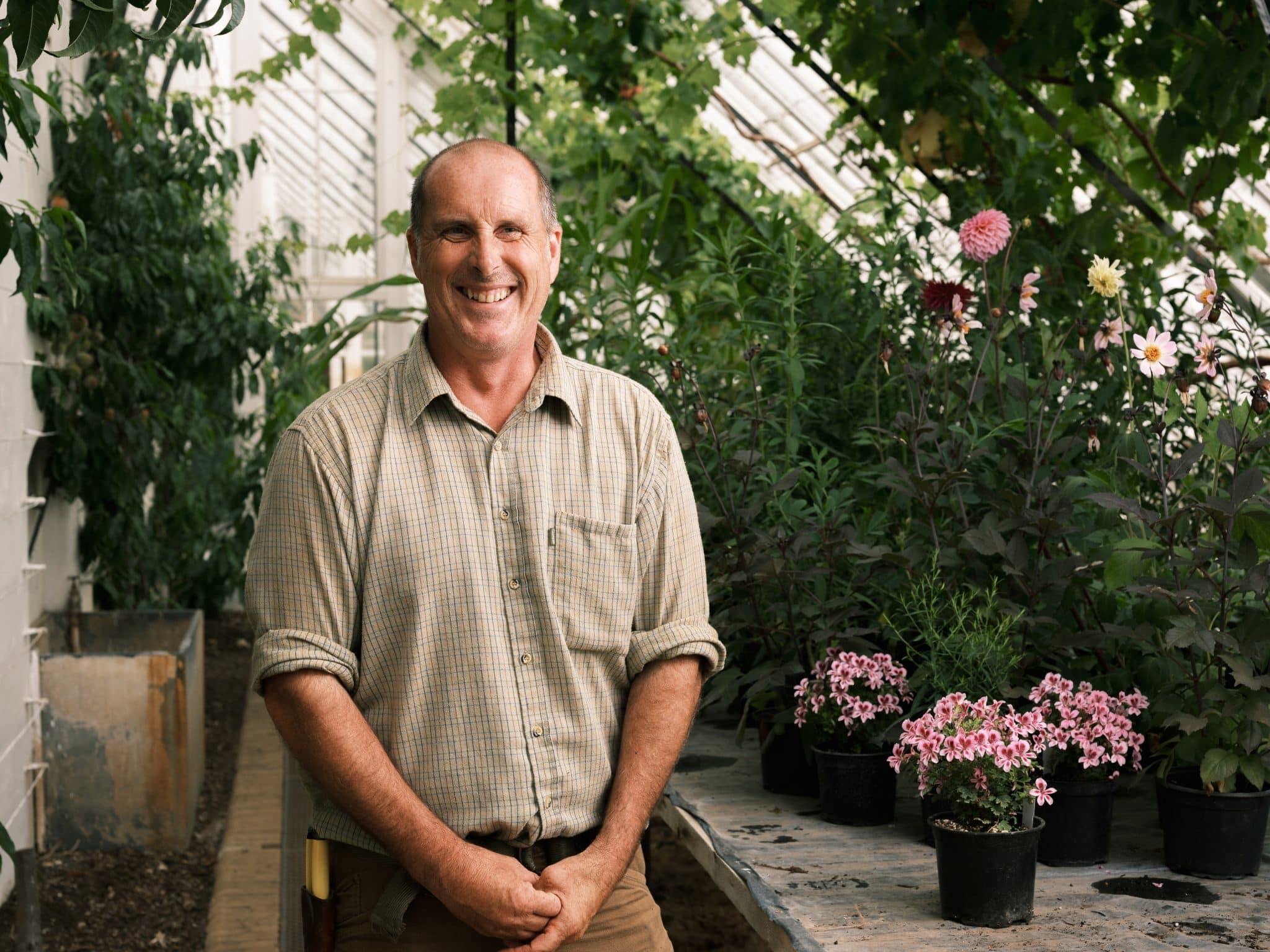
If you’re looking for tall bearded iris displays in Norfolk then you must visit the Walled Garden at Holkham this May. The mind behind this showstopping display is our iris-obsessed, Assistant Head Gardener, Simon. Whilst our border is only 3 years old, it has been in the planning for some time. Here Simon talks about the process behind it, inspiration and how to care for your own irises at home.
“I’ve loved irises for many years, it all stems (excuse the pun) from a visit to Claude Monet’s garden over 20 years ago to see the irises flowering, their colours are just incredible and nearly all of them have a wonderful scent too.”
The iris border is a project I’d been wanting to work on for a long time and in 2022 the funds were made available and we were given the green light. Irises can be expensive due to the labour-intensive breeding process required to achieve unique, ruffled forms and specific colours, so we knew it would require some investment but it’ll be a Walled Garden highlight for many years to come.
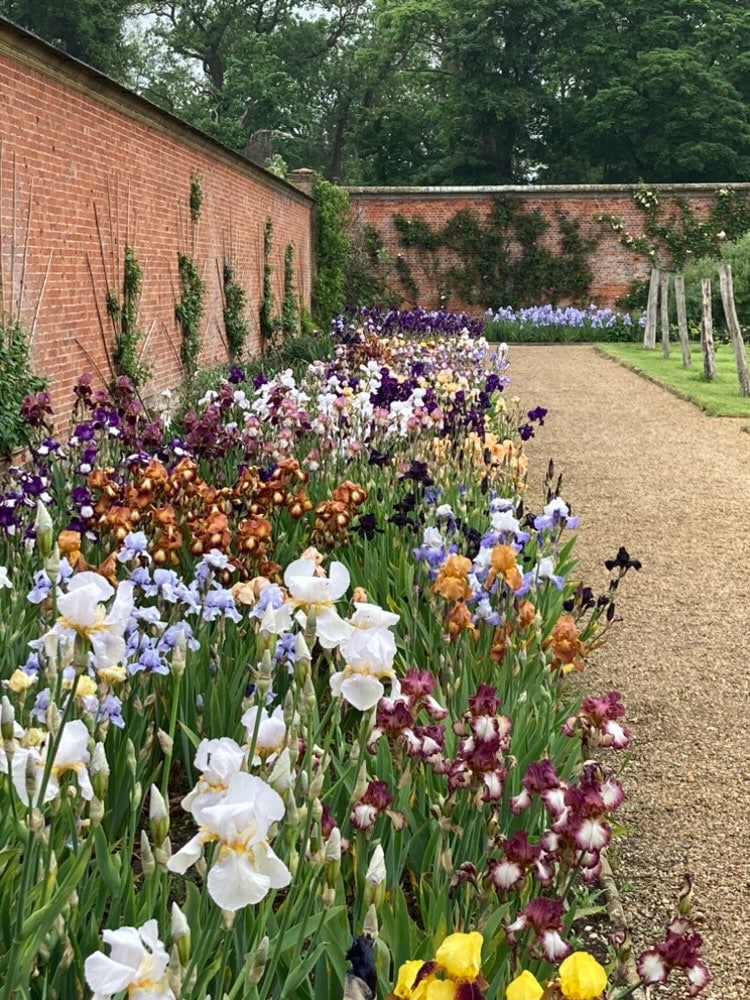
An inspiration behind our display was Sir Roderick Newton, Chair of Plant Heritage, who owns the largest collection of tall bearded irises in the country. His collection includes over 1200 different varieties, which were all bred pre-1950. Another influence was Chris at Seagate Nurseries near Kings Lynn who also have a huge collection of incredible, unusual varieties and were able to purchase our first 30 irises from them.
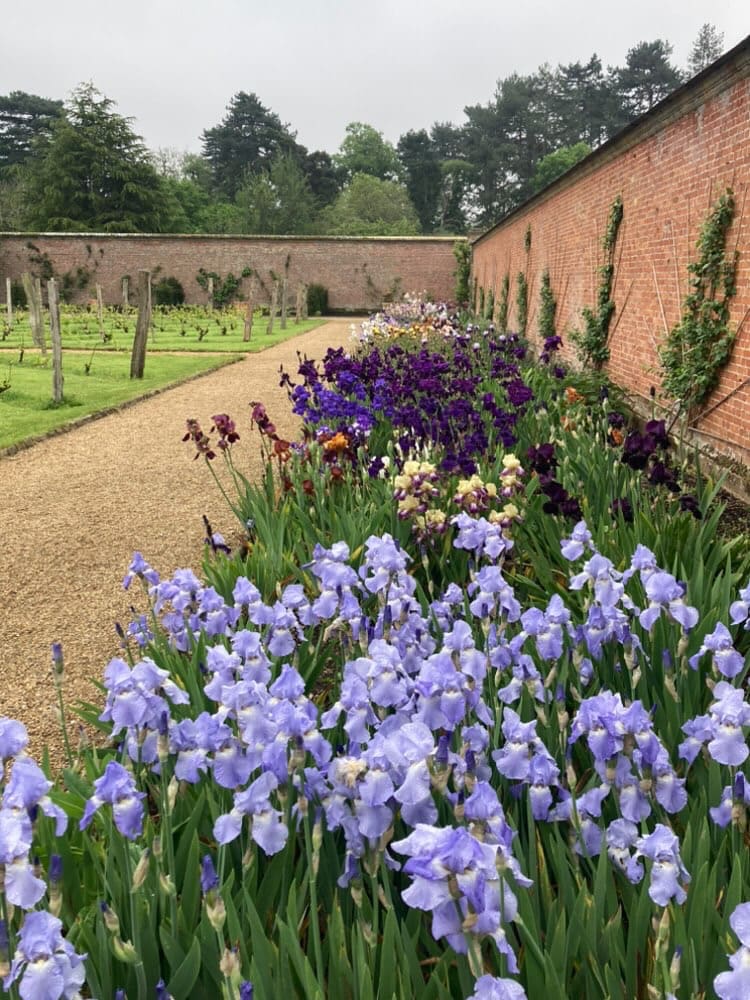
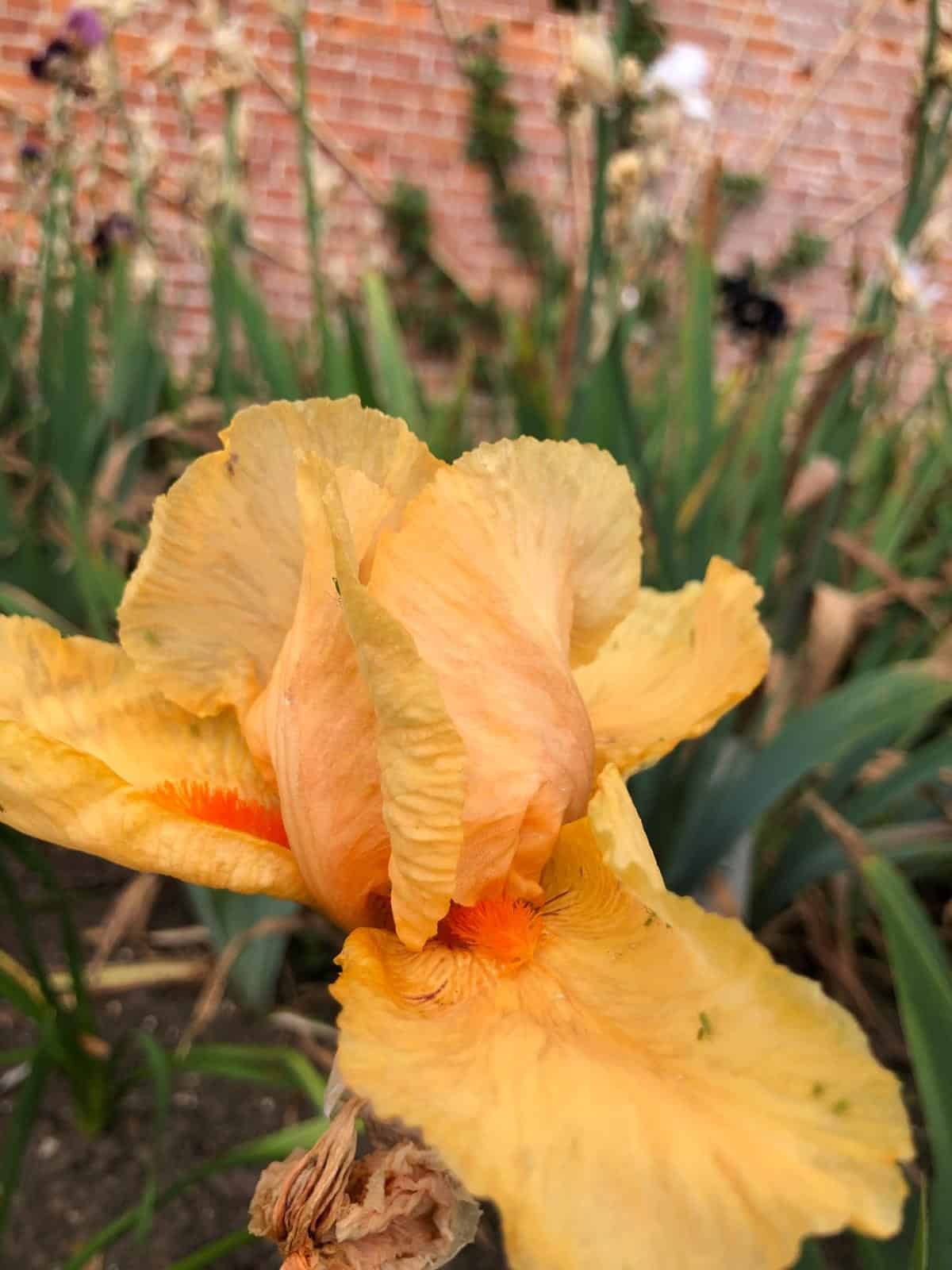
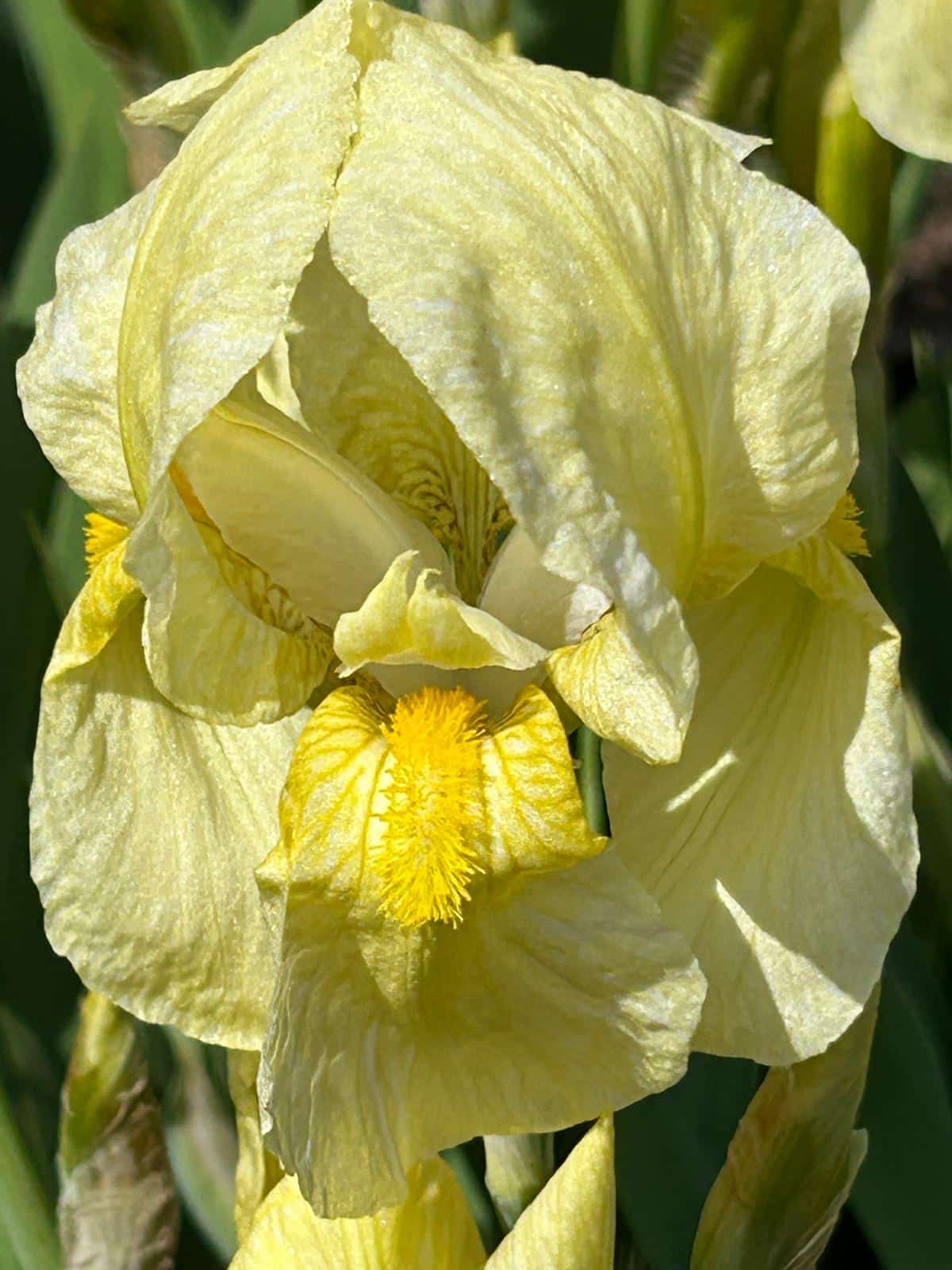
We knew exactly where we were wanted to place them as one border in the vineyard ‘room’ of the Walled Garden had very dry soil and full sun nearly all day – the perfect environment for iris growing! Whilst there’s a slight bit of variation in height as they vary from tall to intermediate, we didn’t need to worry too much about any being blocked from view of lost as they are all above 40cm. Our first flowering season was in 2023, and the following year we added 35 more varieties from Howard’s nursery and since then we’ve been adding five or six each year which brings our current collection to 82 varieties. We have a real mix of ages in our collection, our oldest variety we have is Queen Flavia, which is a primrose Yellow colour, hybridised in 1901 by William Caparne, the British horticulturist who created the first hybrids in the in the intermediate bearded iris group which led to the breeding of tall bearded irises. And our youngest is Hope Of Love, a pale orange iris, hybridised by Gary Middleton in 2014.
-

- Hope of Love, hybridised in 2014
-
- Queen Flavia, hybridised in 1901
When we were first choosing our varieties, we steered away from yellows and whites as they finish much earlier than the other colours. We wanted it to be as impactful as possible with a big splash of colour for our visitors to see. However, as our collection has grown so much since then, we have such a vast quantity of the other colours we’re now looking to integrate the early and late flowerers to elongate the display length. Iris growing is incredibly weather dependent and thankfully this year’s display should be a good one due to the warm dry weather – but we’re always a little nervous of downpours once they start flowering as this can spoil the petals.
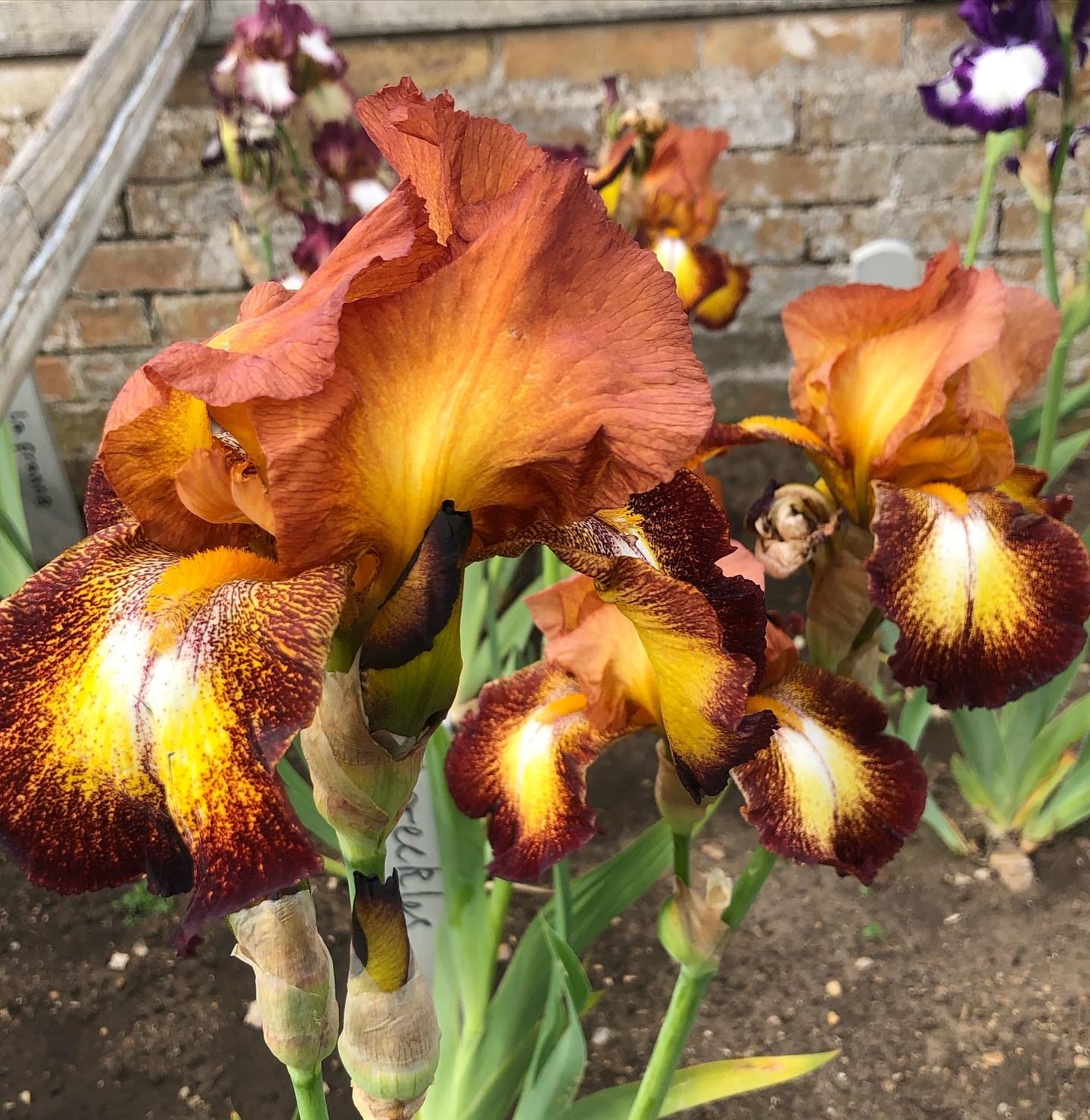
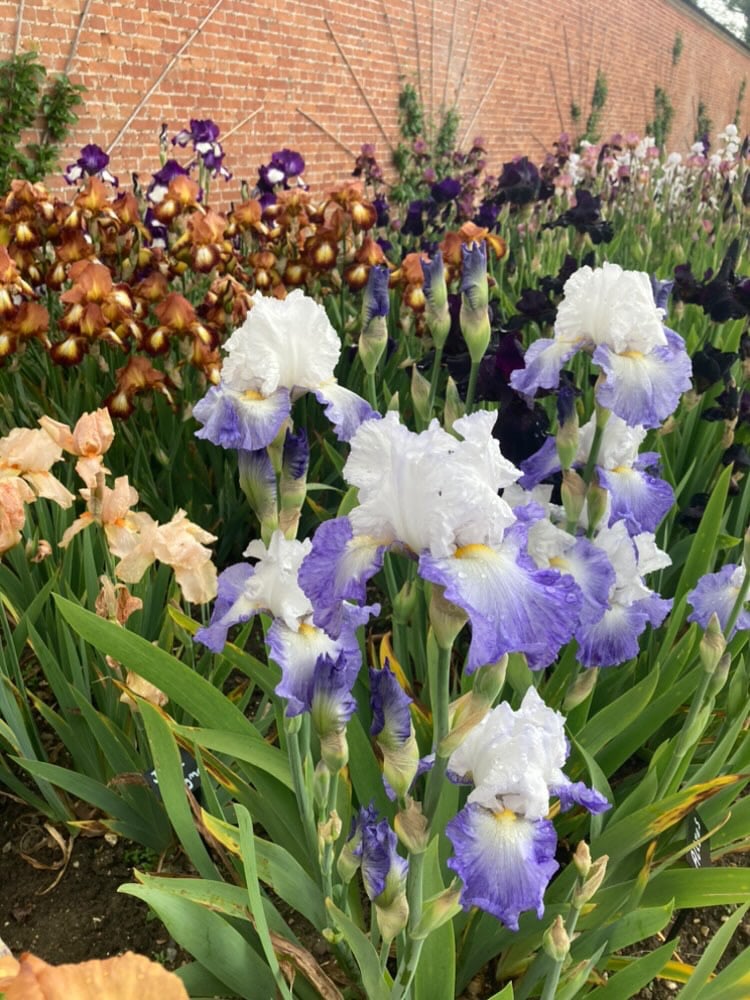
It’s really hard to choose just a top three but the first one that springs to mind is Black Tie Affair it has a very deep dark purple which is almost black – it’s so striking, I just love it. Second place can go to Betty Simon, it’s a ruffly purple and white flower (plus we also share a name!). And Spreckles is a punchy yellow and brown, quite unusual too!
-

- Spreckles
-

- Betty Simon
Want to grow irises in your own garden?
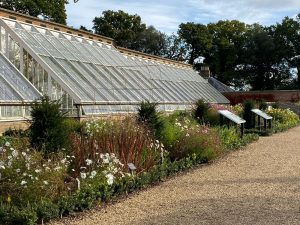
Some tips for growing irises at home, I would say place them in the warmest and driest area of your garden that gets as much sun as possible and is clear of other plants. Only plant the rhizomes half in the soil leaving the top exposed to the sun so they can get a lot of sun which helps flowering next season – a good dose of fish, blood and bone in early spiring and early autumn will not do any harm either. Irises are pretty low maintenance, our volunteers do an excellent job of weeding around and between them but other than that we just let them do their thing. With every plant you will get some varieties that are hardier than others but the majority are easy plants to grow. If you have had your iris for a while you may notice it not producing shoots from the centre, this is an easy fix – just separate the tuber into two plants and its health will be restored. If you’re after year-round colour, you can plant other plants close by – we chose to plant a collection of drought tolerant plants behind them for colour throughout the spring and summer.
If you’re wondering when the best time is to see irises at Holkham, they begin to flower from late April to early June. If you visit around the middle of May you’re likely to catch them at their best. Want to be sure? Give our Landscape Team a call and they will be more than happy to advise when is best to see the display as it can vary year on year.
Back to Journal Back to Journal