Doctor Dance on the joy of movement and the Kitchen Disco challenge
October 22, 2026 | Christmas | 6 minute read
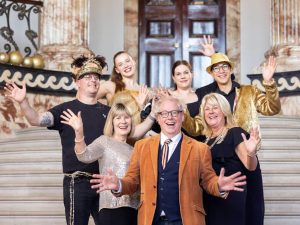
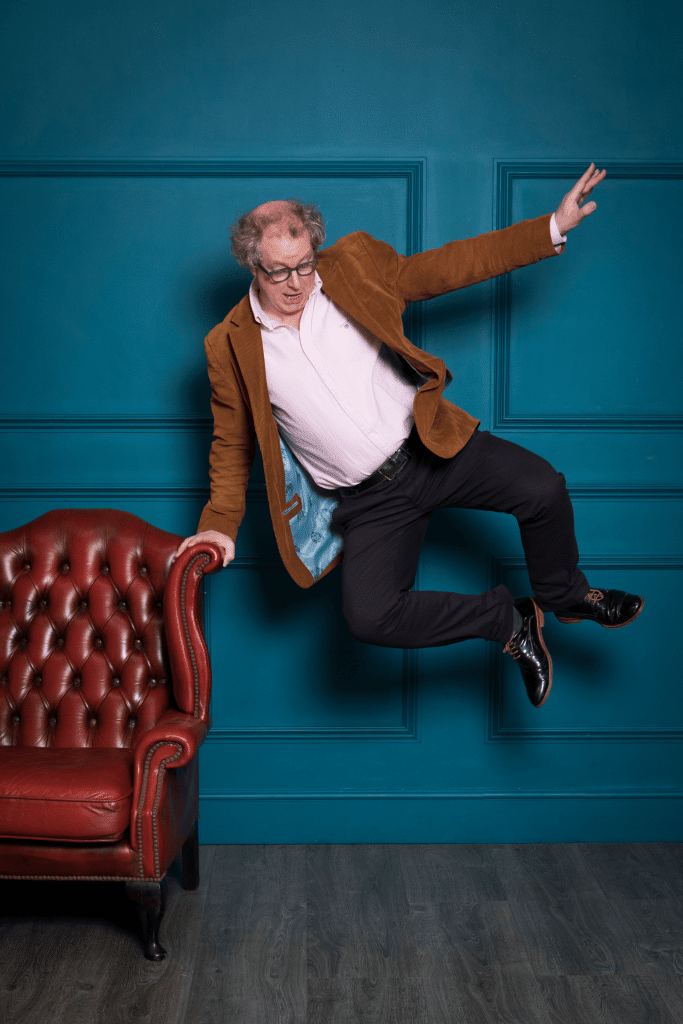
“Dancing is just the most fantastic thing we can do,” says Dr Peter Lovatt, also known as Doctor Dance. Scientist, psychologist and former professional dancer, Dr Lovatt has dedicated decades of his life to learning the relationship between movement and mood, and we’re delighted to have welcomed him to Holkham to get us moving and grooving this winter with our Kitchen Disco challenge.
Join us this Christmas to experience the magic of movement yourself!
In an interview with the Countess of Leicester earlier this year, Dr Lovatt talked passionately about the joy of movement and how beneficial dance can be to our lives, as he has discovered in his research.
You can watch the full video of the interview here, or keep reading to learn more.
The science and the superpowers
Dr Lovatt – aka Doctor Dance – is a professional dancer turned psychologist and academic. With degrees in Psychology, a Master’s exploring neural computation (the mathematical modelling of brain function) and a PhD in experimental cognitive neuroscience, he is certainly well qualified to talk all about the links between movement and our minds.
“I was a professional dancer before I was a scientist, so I’ve always known that feeling of what it does to me as a human being,” he says, but it’s through his later research and his dance psychology labs that the connections have become evident.
“Humans are born to dance,” he told Lady Leicester. “Tiny babies groove very naturally. This gives us four dancing superpowers.”
The dancing superpowers
- Firstly, there’s the social aspect. When people dance together, it brings us together, creating a bond even between strangers.
- Secondly, dancing helps us problem solve. Moving our bodies in different ways can help change the way we think, so it’s a great way to overcome challenges.
- Thirdly, dancing is a way to express ourselves, our emotions, our hormonal state. It’s a communication tool that doesn’t require us to speak.
- And finally, there’s a link between dancing and the easing of symptoms. One of his dance psychology lab’s major studies looked into the link between symptoms of the neurodegenerative disorder Parkinson’s and dancing. The team saw that when participants danced, their symptoms clinically and significantly improved: what was happening in their brains and bodies when they moved had a restorative effect and improved quality of life.
“Dance has an amazing transformation on human beings,” Dr Lovatt says, and it’s these benefits – or superpowers – that make us so excited about what’s coming to Holkham this Christmas.
A history of dance at Holkham
Holkham Hall has played host to a number of dances over the years. Lady Leicester shares in her conversation with Doctor Dance that her predecessor organised annual reeling parties every New Year’s Eve in the Statue Gallery with a piper. While that hasn’t happened for a while now, 21st birthday celebrations for Lord and Lady Leicester’s children have taken place in some of the state rooms – rooms in which dances have been enjoyed for hundreds of years..
“It really brings alive the state rooms,” she shares. “There was dancing and life in rooms that are generally not used by us. It had a completely different feeling, different energy.”
That’s exactly Dr Lovatt’s point: “When you think a room comes alive with dancing, that’s what it does to a human being too. That life is in them!”
“I’m really excited about the dancing we’ll be doing in the Old Kitchen, because I’m hoping not only will it bring the kitchen to life, but it’ll bring the visitors to life as well.”
This Christmas it’s your chance to get into the groove and dance with us, in a historic house that has seen music and dance evolve over centuries.
Feel the joy with us
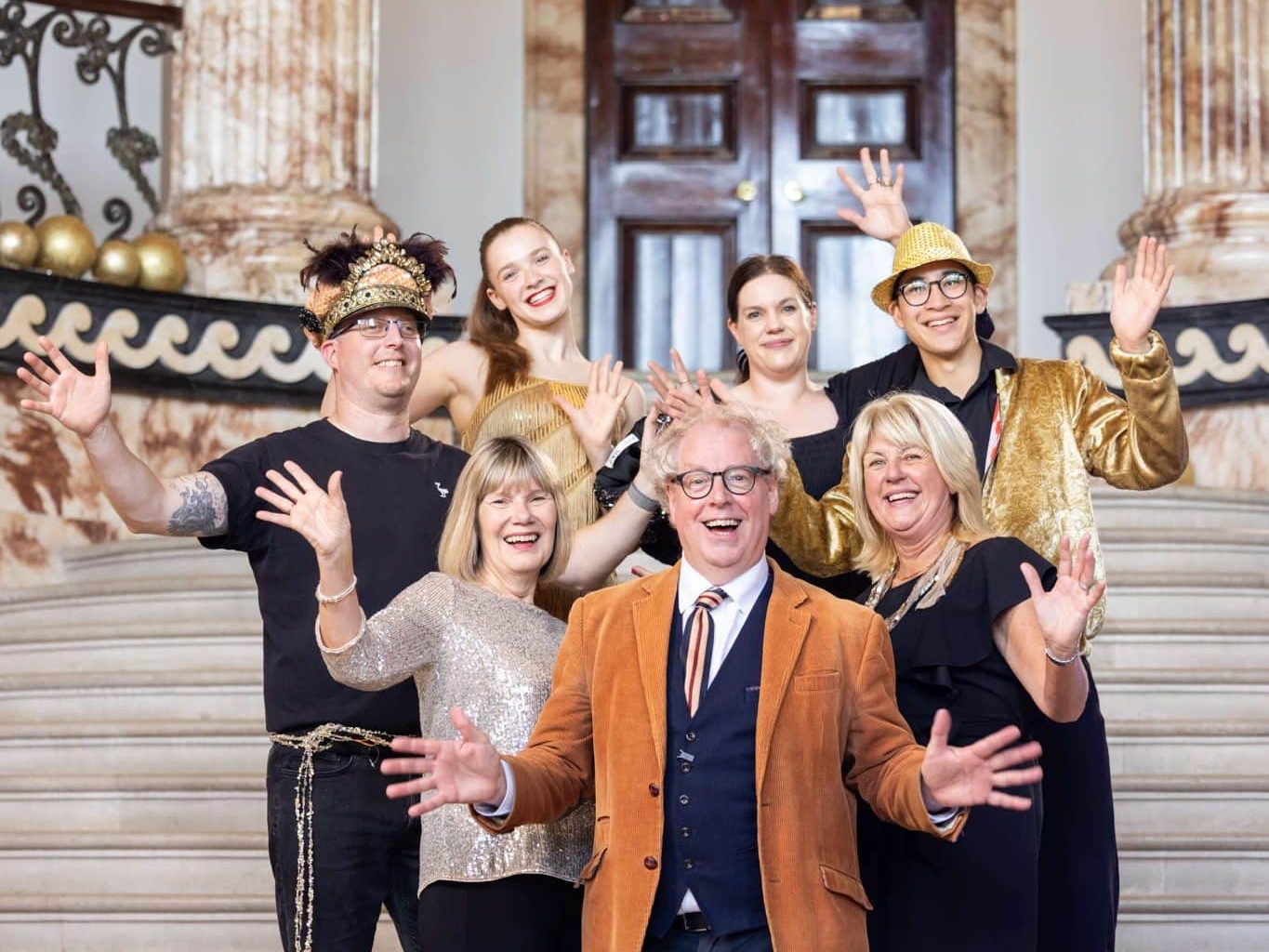
It’s clear that moving to music has some excellent benefits and can lift moods, so much so that Dr Lovatt advocates for dance prescriptions, groove cafés on our high streets and the normalisation of dance within our day to day lives.
“Dancing on your own in the kitchen is fantastic. Putting the radio on, feeling the song in your head, feeling the groove and moving your body works wonders for us… but of course, dancing socially with other people is really important,” shares Dr Lovatt.
He also talks about the joy of cross-generational dancing, which he claims is “one of the best things in the world to watch.” Everyone has their own unique movement style “as individual as our fingerprints,” and bringing them all together is wonderful to be a part of.
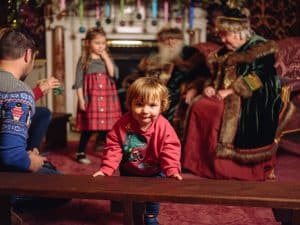
That’s why, over the 2026 Christmas season, we’re inviting you to get up and dance, either on your own, with your friends, or with your parents, children or grandchildren! Whether it’s here with us, enjoying the Kitchen Disco during your candlelight tour, or at home next to your own oven and washing up, join in, feel the rhythm and get dancing!
Back to Journal Back to Journal