Conservation conversations: January 2026 on the Holkham National Nature Reserve
January 25, 2026 | Nature news | 4 minute read
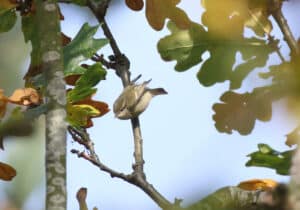
December was a quiet month in many ways. The mild weather both here and on the Continent that dominated the early month meant that we were still very low in wildfowl numbers. The exception of course was Pink-footed Geese with some 42,000 counted using the reserve’s roost sites early in the month. One positive of the mild conditions was the continued presence of the two rare Hume’s Warblers (from deepest Asia) within the willow thickets of Holkham pine woods. It will be amazing if they end up staying the whole winter. One of its similar relatives, the Yellow-browed Warbler (from the forests of Siberia), also stayed in the same area of the wood. If mild conditions stay in place and some insects that they feed upon survive, there is a good chance they all might remain until the spring.
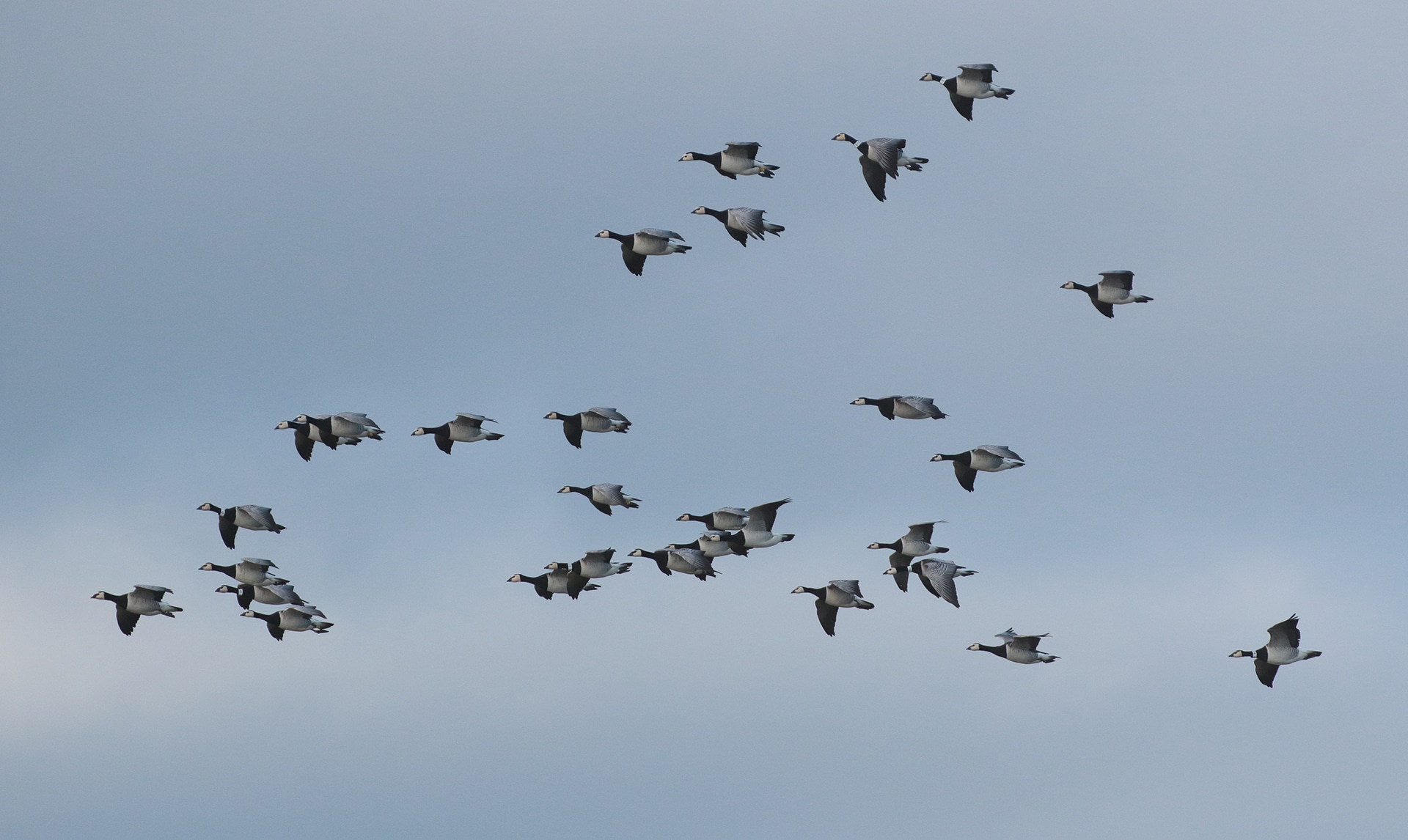
Barnacle geese flock on the Holkham National Nature Reserve c. Andrew Bloomfield
The Taiga Bean Goose is one of the rarest of the regular wintering geese in the UK. It nests in forest bogs in Finland and western Russia but numbers have plummeted in the last 20 years meaning it is seldom seen in the Holkham area. When one appeared on the outskirts of Wells this December it naturally caused lots of interest in the local birding fraternity. More numerous these days is the Barnacle Goose although the flock of 800 we recorded was most likely as a result of England’s (and Holkham’s) growing feral population rather than wild birds from Greenland and Svalbard.
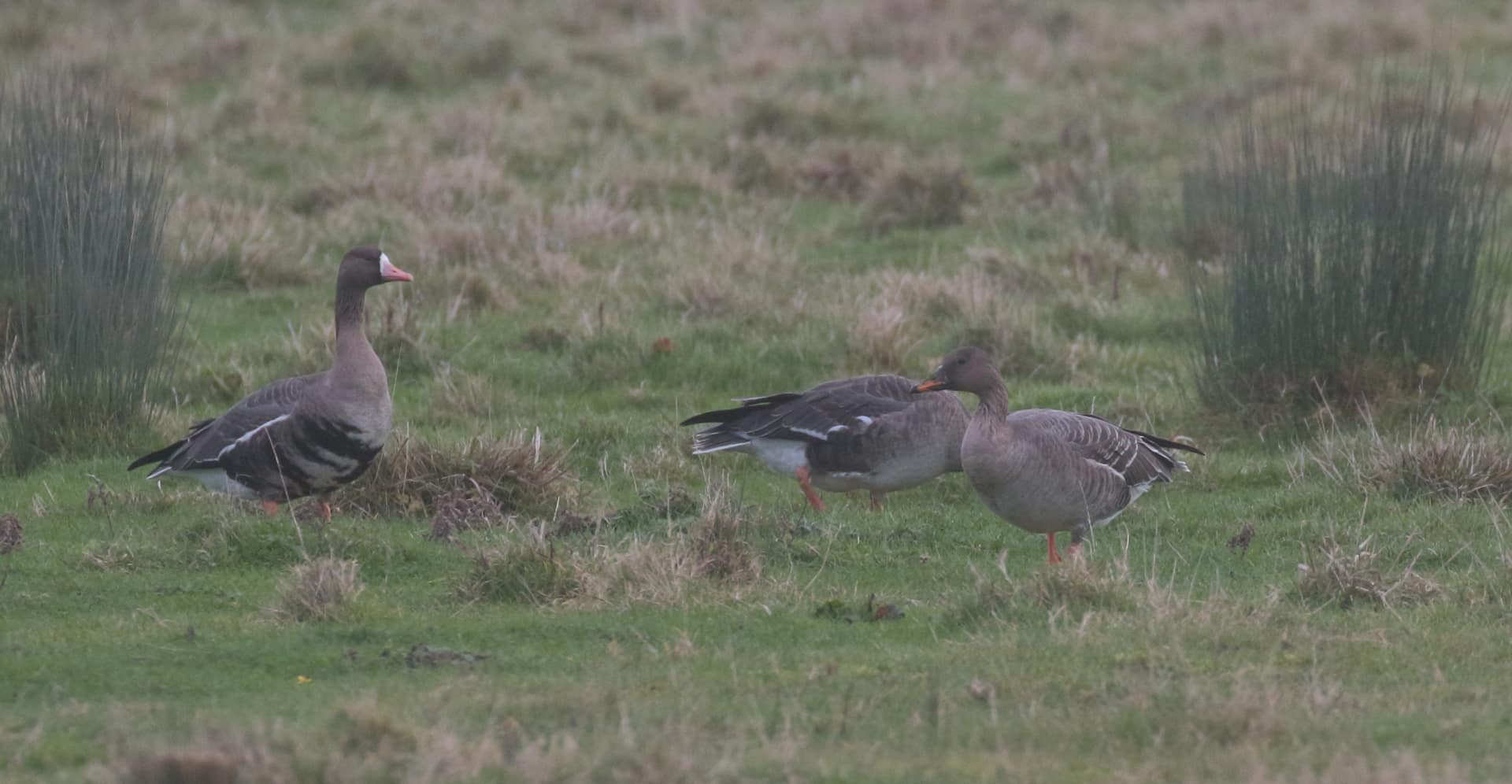
White-fronted and Taiga Bean Goose on the Holkham National Nature Reserve c. Andrew Bloomfield
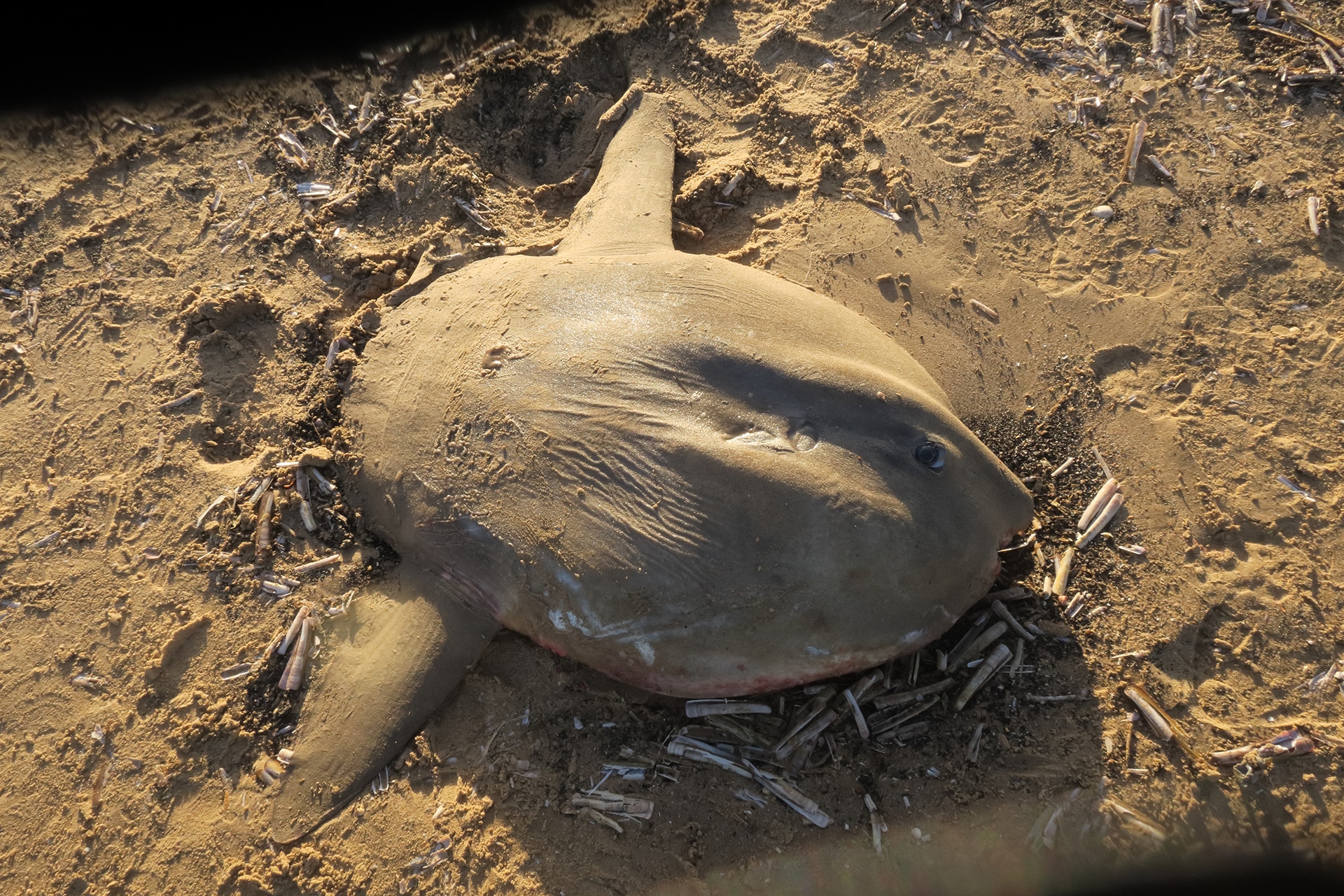
One interesting creature that we have only seen sporadically over the years is the Ocean Sunfish (see header image). This very strange round fish with large fins is one of the largest ‘bony’ fish in the World, weighing anything up to a tonne. Although native to warmer more tropical waters occasional individuals venture up into the North Sea. Perhaps the mild conditions of late allowed the latest individual to move north. Lying dead on the beach at Holkham, it naturally attracted plenty of inquisitive admirers due to its very strange looks.
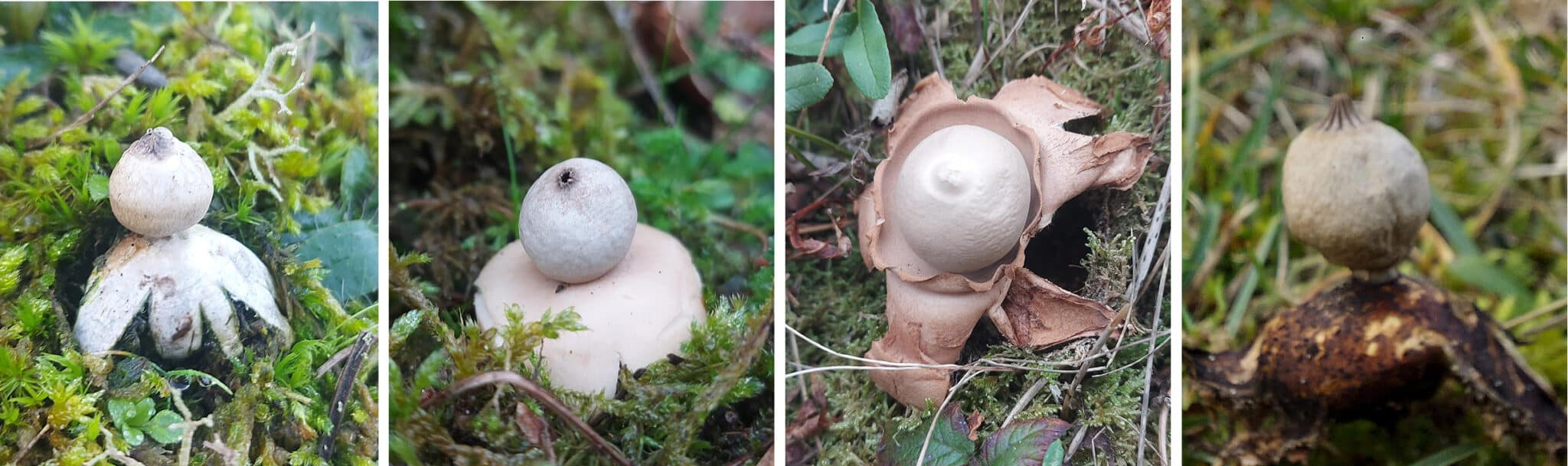
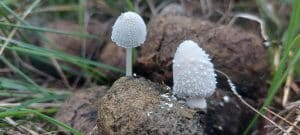
Tiny, Sessile, Collared and Dwarf Earthstars on the Holkham National Nature Reserve c. Andrew Bloomfield
With the mild conditions prevailing it was not surprising that several species of fungi were in evidence. One group that we often find several different species from is the earthstars. They were certainly well represented this month with Collared, Crowned, Tiny and Dwarf out within the dunes alongside a scarcer species, the Sessile Earthstar. Although more numerous nationally, it is one we only see infrequently at Holkham. The Tiny Earthstar was once one of Holkham’s most prestigious species as it was first seen in the British Isles at Holkham in 1958 and for many years was only known from Holkham. With greater knowledge and interest it has now been recorded on the Cumbrian and Suffolk coasts and also the east coast of Norfolk.
What to look out for in February
The New Year will hopefully bring us some cooler weather and some ducks and geese from the Continent. One species that always increases is the White-fronted Goose. It is a Russian breeder that spends the winter in Holland and Belgium so if there is some colder weather there, we are bound to see an increase here.
For daily updates, follow us on Instagram @holkhamconservation
Back to Journal Back to Journal
Related journals

Immy’s 10 wonders of Holkham wildlife you must see during your visit to The Victoria
The Victoria
Read more
Conservation Conversations: February 2026 on the Holkham National Nature Reserve
Nature news
Read more